

Fertilisers in general correct nutrient-poor soils and support vigorous plant growth. They add nutrients that soil alone may lack, especially in intensive farming or depleted lands. For example, a coconut or tea plantation in Sri Lanka can exhaust soil nutrients after each harvest, so fertilising helps maintain yields. But soils do more than just hold nutrients – a healthy soil structure with plenty of organic matter and microbes helps plants take up those nutrients and resist stress. Because of this, understanding the effects of organic and synthetic fertilisers on soil is crucial for any grower.
Organic fertiliser vs synthetic fertiliser – this is a question we at Eco Agri Solutions often hear from Sri Lankan farmers and gardeners. Fertilisers supply essential plant nutrients (nitrogen, phosphorus, potassium, etc.) to boost crop growth. Healthy soil is key: it provides air, water and nutrients, and even houses beneficial organisms. Over time, maintaining soil structure and fertility becomes vital for strong crops and sustainable yields. In our experience, asking “is organic fertiliser better for soil health?” depends on many factors, so we’ll look at the science and local context to help you decide.
What Is Organic Fertiliser?
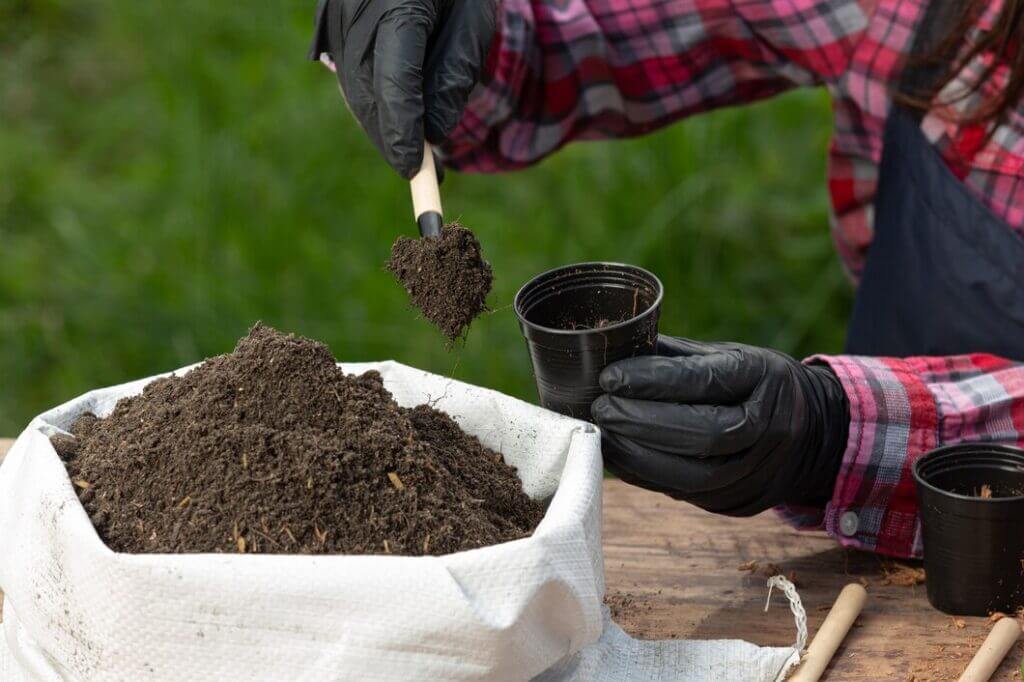
Organic fertilisers are derived from natural sources – they come from plants, animals or mineral deposits. Common examples include garden compost, animal manures (cow, chicken, or fish), bone meal and seaweed extracts. These materials are rich in organic matter and release nutrients slowly as they decompose. For instance, a compost made from vegetable scraps or coconut husks gradually feeds plants over weeks or months. We even offer organic fertiliser for vegetables and organic liquid fertiliser (like fermented seaweed) for home gardeners. These feed the soil biota (bacteria, fungi, earthworms) which in turn make nutrients available to plants. In Sri Lanka, local options like paddy straw compost or cow manure have long been used to enrich vegetable gardens and rice fields. By contrast with synthetic blends, organics typically have lower nutrient concentrations per unit weight, but they build up soil health over time.
What Is Synthetic Fertiliser?
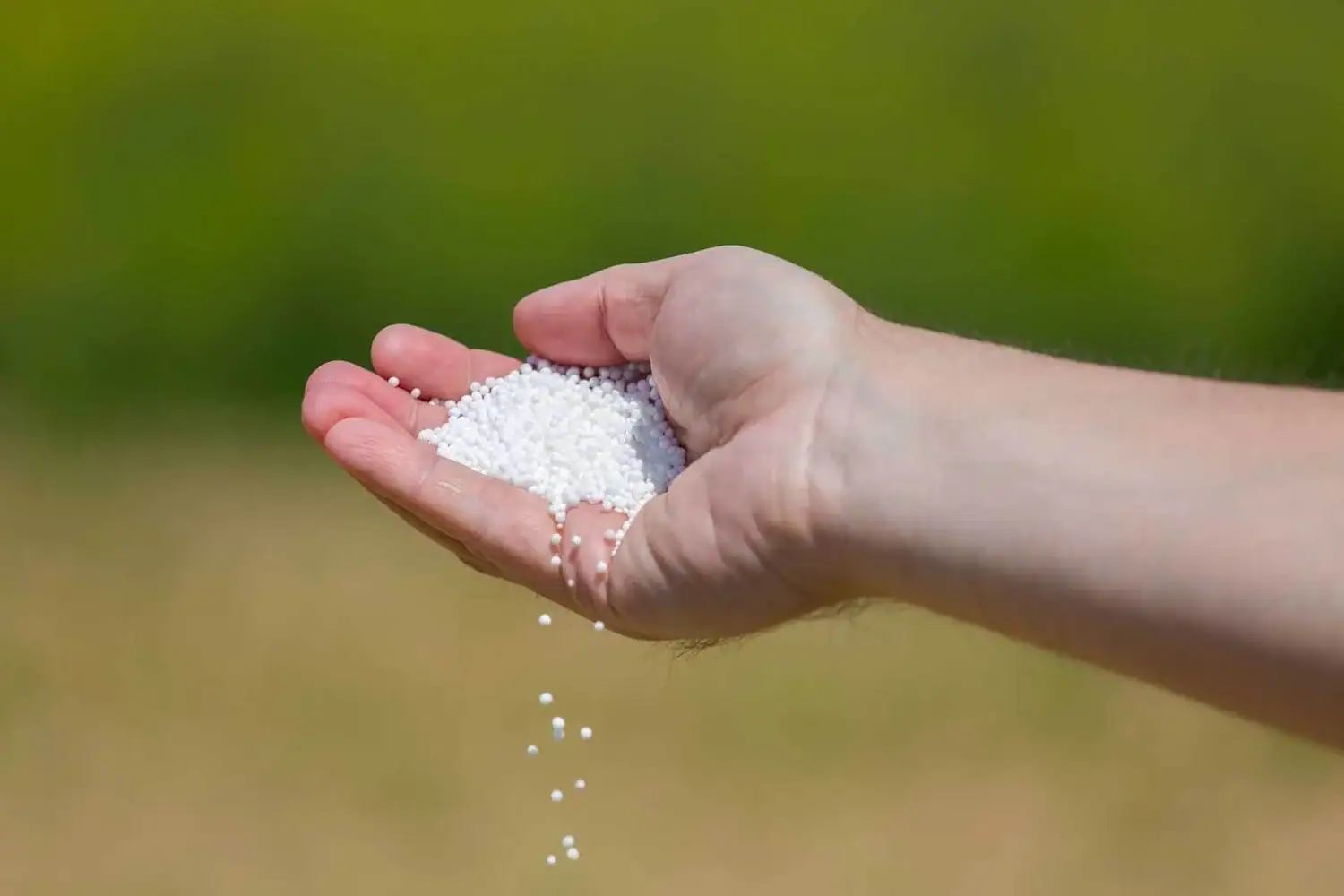
Synthetic (or “chemical”) fertilisers are manufactured substances, usually made in factories. They often come in clearly defined N-P-K ratios (such as 15-15-15) or as single nutrients like urea (nitrogen) or ammonium nitrate. These products use purified chemicals or minerals and are formulated so the nutrients are immediately available to plants. For example, a urea granule or ammonium nitrate provides nitrogen that dissolves quickly in soil moisture and is taken up by roots. Synthetic fertilisers are widely used in Sri Lanka: our paddy fields and tea estates commonly rely on imported or locally produced NPK blends. While convenient and concentrated, these do not add any organic matter to soil. Instead, their main role is to feed the plants directly. Large quantities of chemical fertilisers can pose risks if mismanaged (for example, causing fertiliser burn on young plants if over-applied). Using a spray or spreader, a farmer can rapidly green up a crop with these products – but at the same time, they require careful dosage and timing.
Key Differences Between Organic and Synthetic Fertilisers
Nutrient Release Speed
One of the most fundamental differences is how quickly nutrients become available. Synthetic fertilisers release nutrients instantly because they are already in mineral forms plants can use. For example, synthetic nitrogen (as nitrate) is “quick-release” and will show in the leaves almost immediately. This means you may see a rapid greening or growth spurt shortly after application. However, that rapid availability also means nutrients can wash away or leach deeper if not taken up by plants. In fact, soluble fertilisers often need repeat applications during a season because they don’t last long in the soil.
In contrast, organic fertilisers release nutrients gradually. Their nitrogen, phosphorus or potassium atoms are locked in organic molecules that must be broken down by soil organisms. As soil microbes decompose the organic matter, nutrients are slowly freed. This process is slower (especially if soils are cool or dry), so plants get a steadier, longer-lasting supply. The OSU extension notes that “organic fertilizers tend to have lower nutrient concentrations” and “these nutrients often need to be converted into forms plants can use through soil microbes, which takes time”. In practical terms, crops fertilised organically will not show the instant greening of a synthetic-fed crop. But the steady release means less waste and fewer losses to rain or groundwater.
Impact on Soil Structure
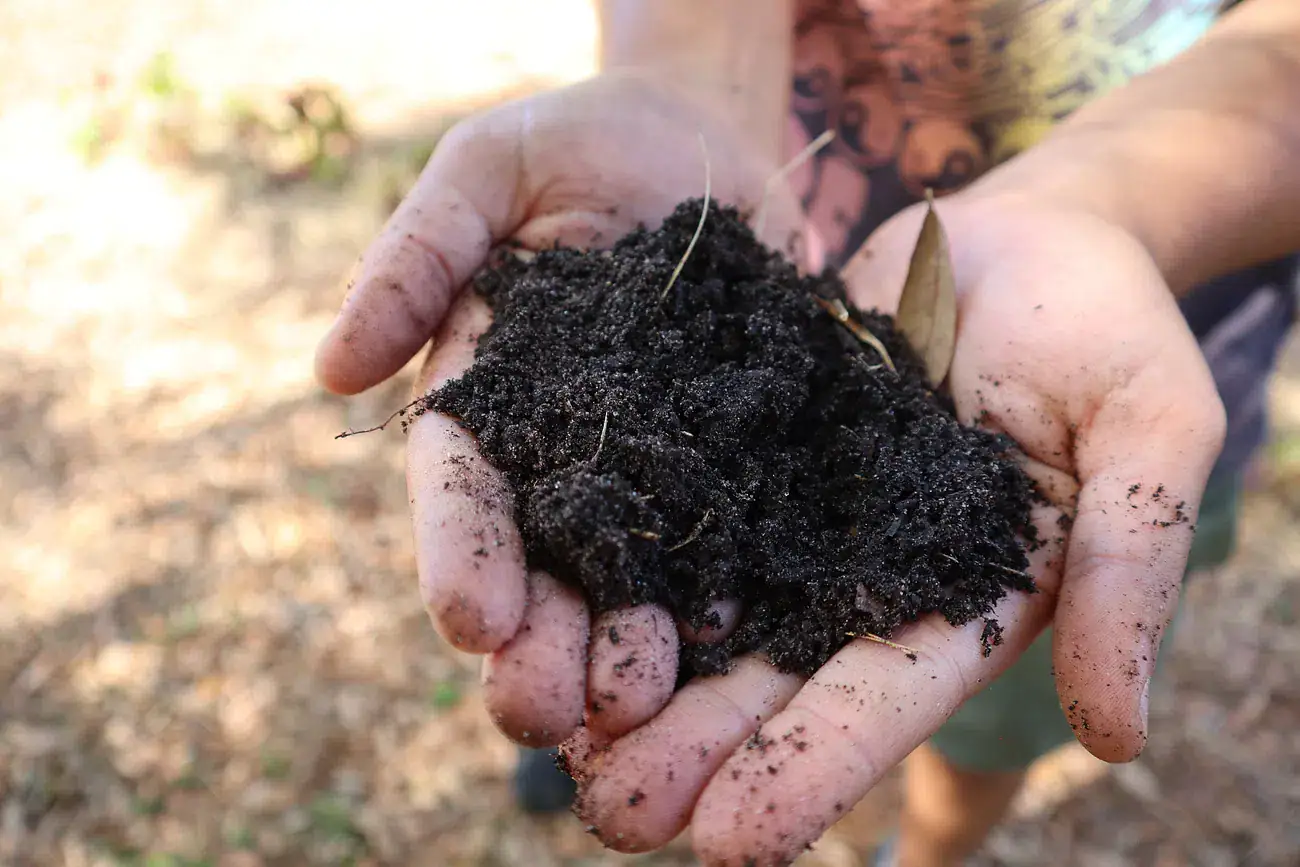
Another big difference is soil improvement. Organic fertilisers add organic matter to the soil, acting like glue for soil particles. Over time, this organic matter increases soil aggregation (clumps), porosity and water retention. For example, studies show that adding organic amendments (manure, compost, biochar) can reduce soil bulk density by up to 10-13%, which means the soil becomes lighter and more friable. In numbers, even a 1% increase in soil organic carbon can boost water-holding capacity by over 3 litres per square meter. Organic matter also contributes calcium and magnesium, which help bind soil pH (making it more stable). In practical terms, a vegetable garden enriched with compost will have looser, darker soil and will support earthworms and microbes that further improve structure.
Synthetic fertilisers, by contrast, do not improve soil structure because they contain no organic carbon or fiber. They feed the plant but leave the soil’s physical health unchanged. In fact, long-term use of high-dose chemical fertilisers can even degrade soil quality: research notes that heavy chemical use can compact soil, disturb aggregates, and reduce the soil’s ability to hold water. In other words, if you use only synthetic NPK year after year without any compost or manure, the soil may gradually become depleted of organic matter and harder to work.
Effects on Soil Health
Soil Microbial Activity
Healthy soil teems with microorganisms (bacteria, fungi, protozoa) that cycle nutrients and support plants. Organic fertilisers feed these beneficial microbes directly, acting as food (energy) for them. This leads to richer microbial activity and diversity in the long run. In fact, a global meta-analysis found that soils receiving organic fertilisers had measurably higher microbial diversity than those treated with synthetic NPK. Specifically, functional microbial diversity was almost 4% higher and bacterial taxonomic diversity about 2-3% higher in organic-fertilised soils.
By contrast, repeated use of synthetic fertilisers can disrupt the soil ecosystem. Numerous studies report that continuous chemical inputs (especially without accompanying organic matter) tend to reduce populations of some microbes and soil fauna. The OSU extension and other research note that synthetic fertilisers “can harm beneficial microorganisms in the soil”. Excess fertiliser can even “burn up” soil organic matter and lead to a less resilient microbiome. For example, without enough organic carbon in the diet, soil microbial communities have less habitat and food, which can lead to declines in microbial biomass over time.
In practice, this means that an organic approach often results in a “living soil” rich in earthworms and root fungi, which further improve nutrient cycling. Synthetic-only soils may lack that vibrancy, relying on chemical nutrients rather than biological processes. (However, modern research suggests balanced use of synthetic NPK with plenty of organic inputs can avoid these issues.)
Soil pH and Nutrient Balance
Organic fertilisers often buffer soil pH. Many organic amendments – like lime-rich manures or bone meal – contain calcium and magnesium that neutralise acidity. Over years, they tend to keep soils in a near-neutral range that crops prefer. For example, one review notes that chronic use of chemical fertilisers acidifies soil by roughly 0.3-0.5 pH units per decade, whereas organic inputs tend to slow or reverse that trend. In Sri Lanka’s tea and vegetable soils, this matters: acidic soils lock up nutrients and can stress plants, so organic amendments can help keep pH balanced.
In contrast, certain synthetic fertilisers (especially ammonium-based ones) can increase soil acidity over time if not counteracted. This is because nitrification of ammonium releases hydrogen ions. Without organic buffering, soils gradually become more acidic, which can eventually require liming. Another concern is nutrient imbalance: heavy use of a high-N synthetic with little phosphorus or potassium can throw the natural ratio of nutrients out of balance. (For instance, Sri Lankan studies have observed phosphorus build-up in crops like potatoes when chemical P was used indiscriminately. Over time, this can harm soil fertility and crop nutrition.)
In summary, organic fertilisers generally help stabilise pH and provide a broad nutrient profile, while synthetics, if overused, can acidify soil and risk imbalances unless carefully managed.
Plant Growth and Crop Yield Comparison
Short-Term Plant Growth Results
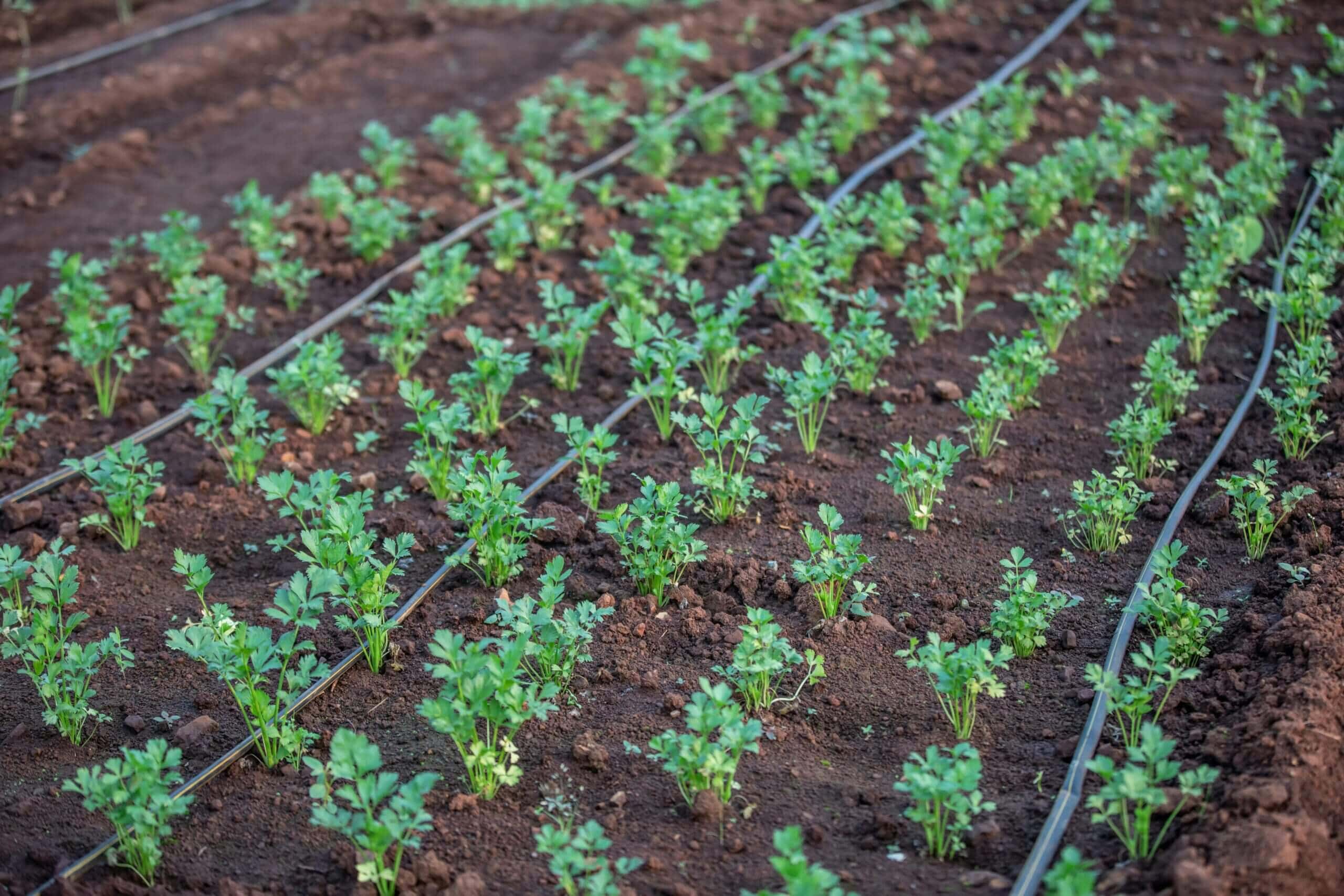
If you’re looking for quick results, synthetic fertilisers often deliver rapid greening. A splash of high-nitrogen fertiliser can make leafy vegetables or lawns turn bright green in days. In practice, farmers in Sri Lanka often apply urea or NPK at the start of the season and see fast leafy growth (for example, rice tillering rapidly when urea is added). However, this quick boost may be mostly above ground. If the balance is off (for example, too much nitrogen), plants might develop lush foliage but weak roots. Also, there is a risk of fertiliser burn: because chemical fertilisers are so soluble, a little overdose can concentrate salts near roots and scorch sensitive plants.
Organic fertilisers act more slowly. A freshly tilled field with compost or manure might not look dramatically greener within a week, but plants tend to develop stronger, more extensive roots. We’ve seen that vegetables fed on composted coconut husk grow steadily with robust rootballs, meaning they can access water and nutrients more efficiently. In the short term, they may not seem as “flashy” as a chemically fed crop, but they often catch up and even outlast the synthetic-fed ones once the latter start to exhaust.
Long-Term Plant Health
Over the long haul, organic fertilisers tend to foster more resilient plants. Healthy, well-nourished soil makes crops less prone to diseases and stresses. For example, crops grown with ample organic matter often show better disease resistance and nutrient uptake. One study on Camellia oleifera (a tropical oil plant) found that adding more organic fertiliser dramatically boosted yield – the highest organics mix out-yielded an all-chemical treatment by over 90%. This suggests better overall plant health and soil fertility under organic regimes.
By contrast, long-term reliance on high rates of synthetic fertiliser can sometimes weaken plants. If small seedlings are given high doses of soluble fertiliser, they risk root damage. Repeated heavy use can also eventually lead to nutrient lock-out or deficiencies of secondary nutrients. We’ve also heard from growers that plants on strictly chemical feeds can become more pampered: for instance, frequent fertiliser burn can weaken root systems, making plants prone to drying out between waterings. Over time, those plants may yield well initially but plateau or decline if soil health isn’t maintained.
In practice, our advice is to avoid the extremes. Use synthetic fertilisers for a quick boost when needed (for example, nitrogen during a leafy growth spurt), but always return organic matter to sustain long-term health. (One benefit of organic is it helps nutrient uptake: as the Soil Security study notes, soils with organic amendments actually had higher nitrogen levels and fertility than those with chemicals only.)
Environmental Impact of Organic vs Synthetic Fertilisers
Water Pollution and Runoff
Synthetic fertilizers can pose serious risks to water quality if not managed carefully. Nitrate in particular leaches easily into groundwater and streams. Globally, the rise in fertilizer use has led to dangerous algal blooms in lakes and coastal areas. For example, studies warn that nitrate runoff from agricultural fields causes eutrophication – it “stimulates phytoplankton productivity” leading to oxygen-depleted (dead) zones in water. In Sri Lanka’s coastal farming areas, excessive fertilizer runoff can contribute to algae blooms in reservoirs or lakes, harming fish and drinking water quality.
Organic fertilisers release their nutrients more slowly and in complex forms, which generally reduces the peak runoff risk. Because the nutrients are bound in organic matter, they are less likely to wash away immediately. Research has shown that organic amendments actually reduce nitrate leaching: they improve soil aggregation and water retention, so fewer nutrients escape into water. (Farmers also report that when they use compost, the water running off the field contains much less dissolved fertiliser than after a chemical fertiliser application.)
In short, synthetic fertilisers have a higher risk of contaminating water if over-applied, whereas well-managed organic fertlisers are slower-release and tend to be more “water-safe.” This is one reason we encourage gardeners and farms near waterways to prefer organic options.
Carbon Footprint and Sustainability
Making synthetic fertilisers requires a huge amount of energy and carbon emissions. For instance, producing ammonia (the basis of most nitrogen fertilizers) is an energy-intensive process that uses natural gas, releasing both CO₂ and methane. One analysis reports that manufacturing one tonne of nitrogen fertilizer emits over 2.6 tonnes of CO₂-equivalent, and the global fertilizer supply chain is a major contributor of greenhouse gases. The Soil Health review also notes that chemical fertilizer production consumes large amounts of fossil fuel, whereas organic fertilisers are “mainly derived from the reuse of agricultural waste” with much lower production emissions. In fact, using manure or compost recycles carbon and energy that are already in the farming system.
Moreover, after application, synthetic nitrogen fertilisers can generate nitrous oxide (a very potent greenhouse gas). By contrast, organic matter in the soil tends to reduce N₂O emissions. Recent studies find that switching part of a field’s fertilizer to organic inputs can cut nitrous oxide and even methane releases. Another meta-analysis found that adding compost or manure consistently increases soil carbon stocks, essentially pulling CO₂ out of the atmosphere into the ground. In short, organic fertilisers support sustainability: they are often made from renewable waste, build soil carbon, and avoid the high production footprint of synthetics.
Synthetic fertilisers can give quick crops, but their “green” credentials are weak. If you care about climate impact or greenhouse gas emissions, shifting towards organic inputs (even part-time) can make a difference. That said, many farmers in Sri Lanka still rely on a blend: for example, the government now promotes an Integrated Plant Nutrition System (IPNS), combining organic and chemical fertilisers. This way, growers gain the fast nutrition from synthetic products while building soil carbon with compost or manure – aiming for the best of both worlds.
Cost Comparison and Availability
Initial Cost vs Long-Term Value
Typically, organic fertilisers cost more up-front per unit of nutrient. Organic nitrogen sources can be 3-5 times more expensive per kilogram of N compared to urea or other chemical N. Part of this is because organic materials are bulkier or harder to produce. EcoAgri’s compost costs more per kilo than a bag of urea, for example. However, that extra cost can pay off over time: organics boost soil fertility and structure, meaning you may need less fertiliser in future seasons. It’s like investing in your soil bank account.
Synthetic fertilisers are relatively cheap per nutrient and readily available in small bags, which is convenient for farmers needing specific NPK ratios quickly. But remember, because they don’t build soil, you often have to apply them repeatedly each year. In contrast, our organic blends are a long-term investment. For Sri Lankan tea estates or rubber plantations, regularly adding organic matter can reduce the total fertiliser costs over many years by improving soil efficiency.
In short, think long-term vs short-term. A low upfront cost for a synthetic bag doesn’t always equate to lower overall cost. The OSU Extension notes that reducing unnecessary chemical inputs “saves money, but also energy” in the long run. Similarly, EcoAgri often advises clients that a mix of organic and synthetic – rather than synthetic alone – can be more cost-effective when soil health is considered.
Availability and Ease of Use
Synthetic fertilisers are widely available in Sri Lanka. Shops in every town sell standard NPK mixtures and urea – often subsidised by government programmes. They are easy to measure (e.g. a 50 kg bag of 16-16-16) and apply with a spreader or sprayer. Gardeners and farmers know exactly how much nutrient they’re giving.
Organic fertilisers can be trickier. You might produce your own compost from kitchen or farm waste, or buy organic manure from suppliers. In urban or small-lot settings, organic liquid fertiliser (like compost tea or fish emulsion) is popular for vegetable beds and indoor planting. At EcoAgri, we offer easy-to-use organic products and soil enhancers to bridge this gap. For indoor plants or small gardens, using a gentle organic liquid feed (as we recommend on our product pages) ensures no risk of burning sensitive roots. For field crops, planning is key: bulk materials (cow dung, green manure) need time to break down.
In practice, a combination is often easiest: keep standard synthetic bags on hand for quick feeds, and supplement with compost or organic matter whenever possible. Many Sri Lankan farmers now hire someone to collect urban compost or order ready-made organic fertiliser blends – a service companies like ours provide. With some planning (and possibly a quote from EcoAgri to source what you need), organic options are becoming just as convenient as chemical ones.
Best Fertiliser for Different Gardening Needs
Home Gardens and Lawns
In home gardens and lawns, organic fertilisers shine. If you grow vegetables, using compost or manure means your produce benefits from gentle, balanced nutrition. For example, a vegetable patch will thrive on well-aged compost or an EcoAgri organic NPK blend designed for home gardening. These feeds improve soil life and won’t wash out of pots or beds easily. For lawns, a slow-release organic lawn fertiliser will green up grass over weeks without the sudden growth flush that can invite pests or disease. It also enriches the grass roots so your lawn stays healthy in dry season.
For smaller scale or indoor planting, organic liquid fertiliser is very handy. We supply diluted seaweed and plant-based liquid feeds that can be added to watering cans. These “liquid fertilisers” provide trace elements and mild nutrients that potted plants love, with no danger of chemical burn.
We generally recommend: use compost or mixed organic fertiliser for flowers, vegies and outdoor plants, and a gentle organic liquid for indoor or seedling use. EcoAgri customers often report lush basil and chili peppers after switching to our organic vegetable fertiliser, which feeds the plants steadily and makes the soil richer.
Commercial Farming and Large-Scale Agriculture
On large farms and plantations, practicalities often lead growers to keep a healthy mix of both types. Many tea, rubber or rice farmers in Sri Lanka still rely on quick-acting synthetic fertilisers to hit production targets. For instance, paddy fields use urea and TSP at key growth stages for high yields. However, modern agronomy encourages integrated nutrient management: using organic inputs (green manure, compost, bio-fertilisers) alongside chemical fertilisers.
Sri Lanka’s Department of Agriculture even has a policy encouraging Integrated Plant Nutrition Systems (IPNS). This means combining organic materials (like legume cover crops or farmyard manure) with synthetic NPK. The idea is to get immediate nutrient supply from synthetic fertiliser, while organic matter builds up soil fertility over the years. Many large tea estates now practise this by mulching pruned tea branches back into the soil (organic N, P, K) and then applying a smaller dose of NPK.
For very large commercial farms, synthetic fertilisers are usually easier to use (they are lightweight, easy to spread over many hectares). But we advise large-scale growers to also set aside capacity for composting or green manures. EcoAgri works with some big agricultural projects to design combined programmes: for example, alternating crop seasons with legume cover crops (an organic N source) then a measured synthetic feed. This integrated approach often yields more stable results than using chemicals alone, especially on Sri Lanka’s tropical soils.
Common Myths About Organic and Synthetic Fertilisers
“Organic Fertilisers Are Less Effective”
This is a widespread myth. In reality, organic fertilisers can be extremely effective – if used properly. They just work on a different timeline. Many gardeners think, “My plant never grew as fast on compost,” but often it was because the nutrients hadn’t finished breaking down yet. In truth, organics “enable long-term sustainable growth” by feeding the soil (that OSU article emphasizes this).
For example, a field trial with Camellia oleifera found that soils amended with organic fertiliser had much higher soil nutrient levels and greatly increased crop yields compared to chemical fertiliser alone. This shows that organic fertilisers can sometimes outperform synthetics in yield too, especially over multiple seasons. The effectiveness of any fertiliser depends on correct use and soil needs. An organic fertiliser might seem “weaker” by weight, but it can improve soil in ways chemicals cannot.
So the reality is: organic fertilisers are effective, especially for soil health, but they require patience. Properly composted and applied, they become a powerhouse of fertility. One has to remember they are not magical quick fixes but part of building a fertile system.
“Synthetic Fertilisers Destroy Soil Completely”
Also a myth. Synthetic fertilisers can damage soil if misused, but they don’t inherently destroy soil on their own. In fact, many farmers safely use them in moderation year after year. The problems arise with overuse or imbalance. Proper management – including soil testing and adding organic amendments – can mitigate most negative effects.
For example, science shows that high doses of chemical fertiliser can acidify soil and harm microbes, but responsible application (with lime or organics added) keeps the soil productive. Research even suggests that the key issue is “imbalance” – if you supply plenty of organic carbon and then add some chemical N, you can actually increase soil organic matter. In other words, chemical fertilisers need to be part of a balanced system.
Our advice is that using synthetic fertilisers wisely (in doses recommended by agronomists or your own soil tests) will not “burn” your soil. Many successful Sri Lankan growers use them alongside crop rotations and manure. Overhaul the idea from “always evil” to “a tool that can be used safely”: as one study notes, the harm of chemicals is more about quantity and neglect of soil biology than their mere presence.
How to Choose the Right Fertiliser for Your Soil
Soil Testing and Nutrient Needs
First, test your soil. In Sri Lanka, you can send a sample to a DOA lab or use a home kit to check pH and N-P-K levels. This tells you exactly what nutrients are missing and whether the soil is acidic or alkaline. For example, if the soil is already high in phosphorus, adding a high-P fertiliser will be wasteful. Knowing your soil’s needs helps you select a fertiliser that balances those needs. Soil tests may also reveal micronutrient deficiencies (like zinc or magnesium), which can be corrected with rock dusts or dolomite.
Also consider the crop’s requirements. Leafy vegetables need more nitrogen, while fruiting crops might need extra potassium. We always recommend gardeners start with a test (or even a simple pH test), then choose a fertiliser with the right N-P-K ratio. EcoAgri offers soil testing guidance and can suggest a tailor-made blend for your result. For indoor or small-scale, you may follow standard recipes (for example, “tomatoes need 4-4-2 balanced feed”), but for large farms a precise test is best.
Combining Organic and Synthetic Fertilisers
In most cases, an integrated approach is ideal. This means giving plants an immediate feed of nutrients (synthetic or fast-acting organic), plus a steady soil amendment (compost, manure, or slow-release organic fertiliser). The benefit is twofold: your plants get quick access to what they need now, and your soil gets bolstered for the future. For instance, you might mix a scoop of NPK fertiliser into the planting hole for quick N, while also adding compost around the roots to improve soil structure and provide longer-term nutrients.
Studies back this up. The Camellia oleifera trial found that partially substituting chemical fertiliser with organic (e.g. using 30-60% organic sources alongside chemicals) resulted in both higher soil fertility and crop yield. One reviewer wrote that “the combined application of organic and chemical fertilisers… delivers both immediate nutrient availability and long-term soil conditioning”. Another analysis similarly concluded that if a farmer adds plenty of compost and then some synthetic N, yields can increase while soil carbon still goes up.
For practical steps: maybe apply compost or well-rotted manure before planting, and then use a measured chemical top-up halfway through the season. Or mix in an organo-mineral fertiliser if available (some products combine both). The key is balance: enough organic carbon to feed life in the soil, and enough soluble nutrients to meet peak plant demands. On our side, EcoAgri can create blended fertiliser mixes (liquid or granular) tailored to such integrated use – just ask for a quote based on your crop and soil needs.
Final Verdict: Organic vs Synthetic Fertiliser – Which Is Best?
In summary, organic fertiliser excels for long-term soil health, while synthetic fertiliser excels for quick plant feeding. Organic options improve texture, microbial life, pH stability and sustainability. Chemical fertilisers give rapid results and convenience, but need careful management to avoid downsides like soil acidification or runoff.
Which is best depends on your goals:
Soil condition: If your soil is already fertile and high in organic matter, you might use more synthetics for fast yields. If your soil is depleted (as many Sri Lankan soils are), adding organic matter is crucial.
Crop type: Heavy feeders (like rice or maize) might need some quick-release N. Delicate plants or sustainable veggie gardens thrive on organics.
Long-term goals: If you want truly sustainable farming (less chemical dependency, better environment), lean toward organics. If your goal is short-term maximum yield, synthetics can be part of the strategy.
At EcoAgri Solutions PVT LTD, we believe in combining the best of both. Our experts can help you test your soil, choose the right fertiliser mix, and explain how to apply it. Whether you need organic compost or a high-quality NPK blend, we provide quotes and support tailored to Sri Lankan conditions. Remember: the best choice often isn’t purely organic or purely synthetic, but a smart integration of both. Your soil will thank you – and so will the plants! Contact us today to request a quote and get expert advice on fertilisers for your farm or garden.

Get the FREE Sri Lanka Planting Calendar 2026
Month-by-month guide. Yala/Maha seasons. Wet, dry & hill country crops. Delivered to your inbox.