
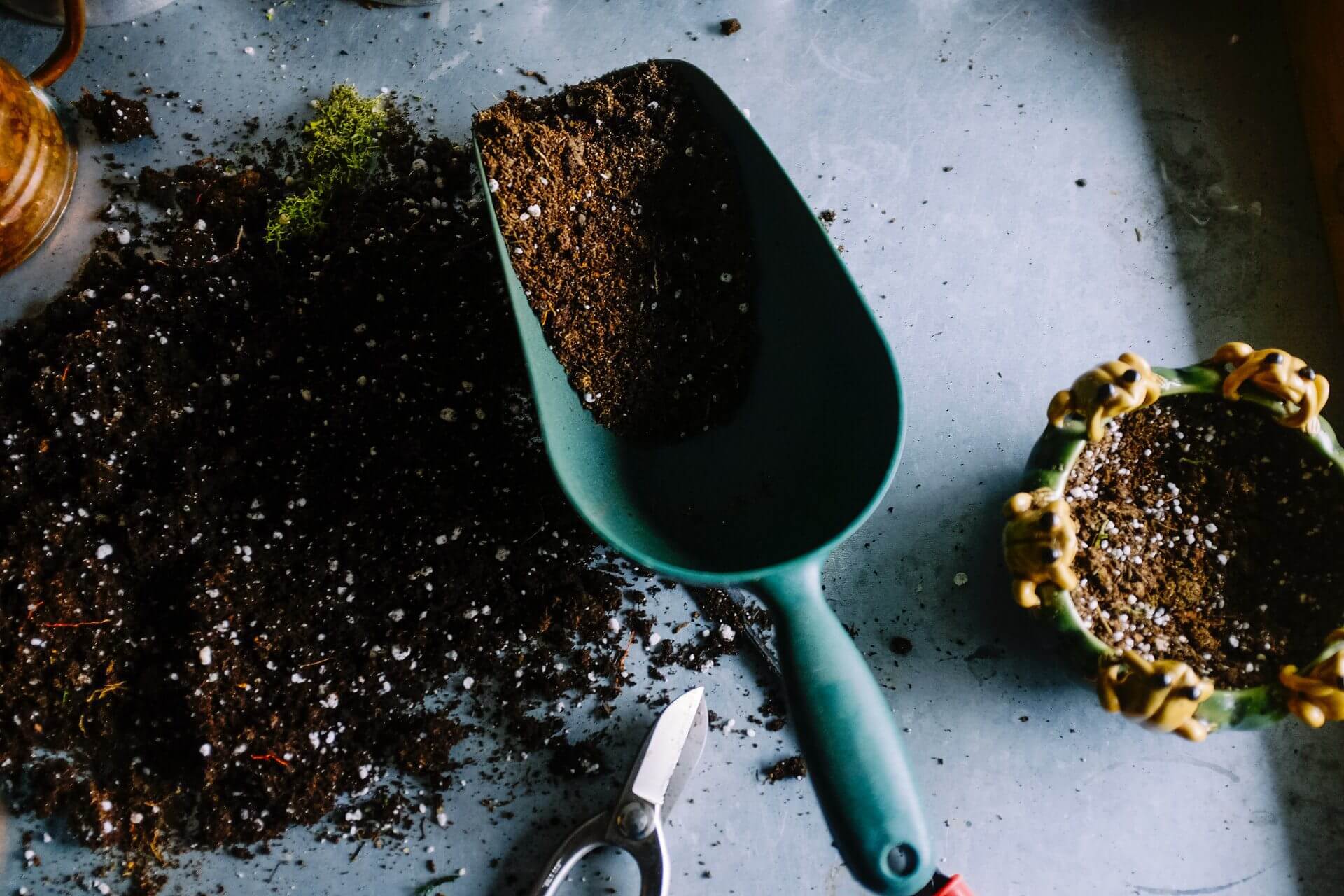
How to Improve Soil Quality Naturally: Gardening Tips

Soil is a living ecosystem powering every home garden. In Sri Lanka’s warm climate, maintaining healthy soil is vital for growing nutritious, high-yielding vegetables and fruits. Good soil sustains plant growth and biodiversity, ensuring better-tasting produce and bigger yields. In contrast, depleted soil stunts growth and increases the need for water and chemicals. By improving soil quality naturally, home gardeners enjoy stronger plants, higher yields, and lower long-term costs.
Why Soil Quality Matters in Home Gardening
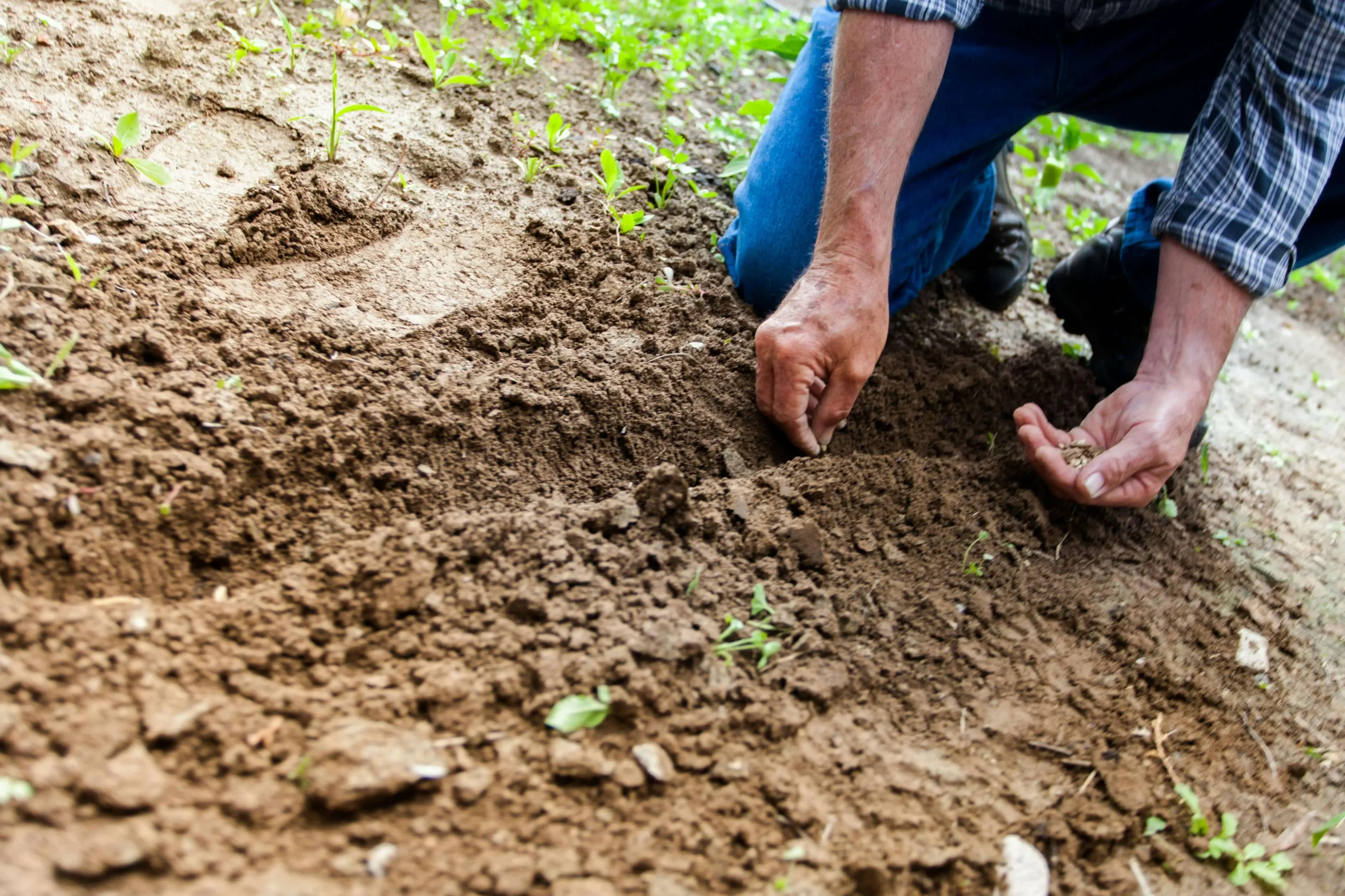
Healthy soil is the cornerstone of productive gardens. Soil health refers to its biological, physical and chemical condition essentially its ability to support plants and organisms. In healthy soil, nutrients cycle efficiently, roots access air and water easily, and plants grow vigorously. Long-term studies show that healthy soils in organic farms hold more moisture and nutrients, leading to better yields and resilient plants. Over time, improving soil organically reduces irrigation needs and makes gardens more resistant to pests and diseases.
Key differences between healthy and poor soil include texture, structure and life. For example, soil with higher organic matter feels crumbly and spongy, while depleted soil compacts easily. Rich soil absorbs water steadily (not waterlogging) and supports earthworms and beneficial microbes. By contrast, poor soil often needs constant watering and fertiliser to keep plants alive. The benefits of improving soil naturally include more flavourful vegetables (research shows soil health boosts vitamins and minerals in crops), better resistance to drought, and higher crop yields.
Understand Your Garden Soil First
Types of Garden Soil
Gardens typically have one of three soil types: sandy, clay, or loamy. Sandy soil feels gritty and drains quickly, but it holds less water and nutrients. Clay soil is dense and sticky when wet; it holds water and nutrients well but can suffocate roots if it compacts. Loamy soil is a balanced mix of sand, silt and clay; it is dark, crumbly and holds moisture yet drains well. Loam is ideal for home gardens because it provides a good balance of drainage, nutrients and aeration.
Simple Ways to Test Soil at Home
Hand texture test. Take a small handful of damp soil and squeeze it. If it easily falls apart, it is sandy or silty; if it forms a ribbon that resists breaking, it has more clay. A quick guide: coarse soils crumble under slight pressure, medium soils hold shape easily, and fine (clay) soils resist breaking. This “ribbon test” helps you gauge drainage and fertility: sandy soils need more organic matter, while clay soils benefit from aeration.
Drainage test. Dig a 30 cm hole and fill it with water. Let it drain, then refill and measure how much drains in 15 minutes. Multiply that drop by four to get an hour rate. Ideally, around 5 cm of water per hour drains in good garden soil. If water stands or drains too slowly, your soil may need gypsum or raised beds to improve percolation.
DIY pH test (vinegar and baking soda). Soil pH affects nutrient availability. One easy test is to put a teaspoon of soil in one cup of vinegar -fizzing means alkaline (pH ~8). If no fizz, test another teaspoon of soil with water and baking soda – fizz indicates acidic soil (pH ~5-6). Neutral soil (pH ~7) shows no reaction. This simple method gives a rough idea of acidity without chemicals.
Improve Soil Naturally with Organic Matter
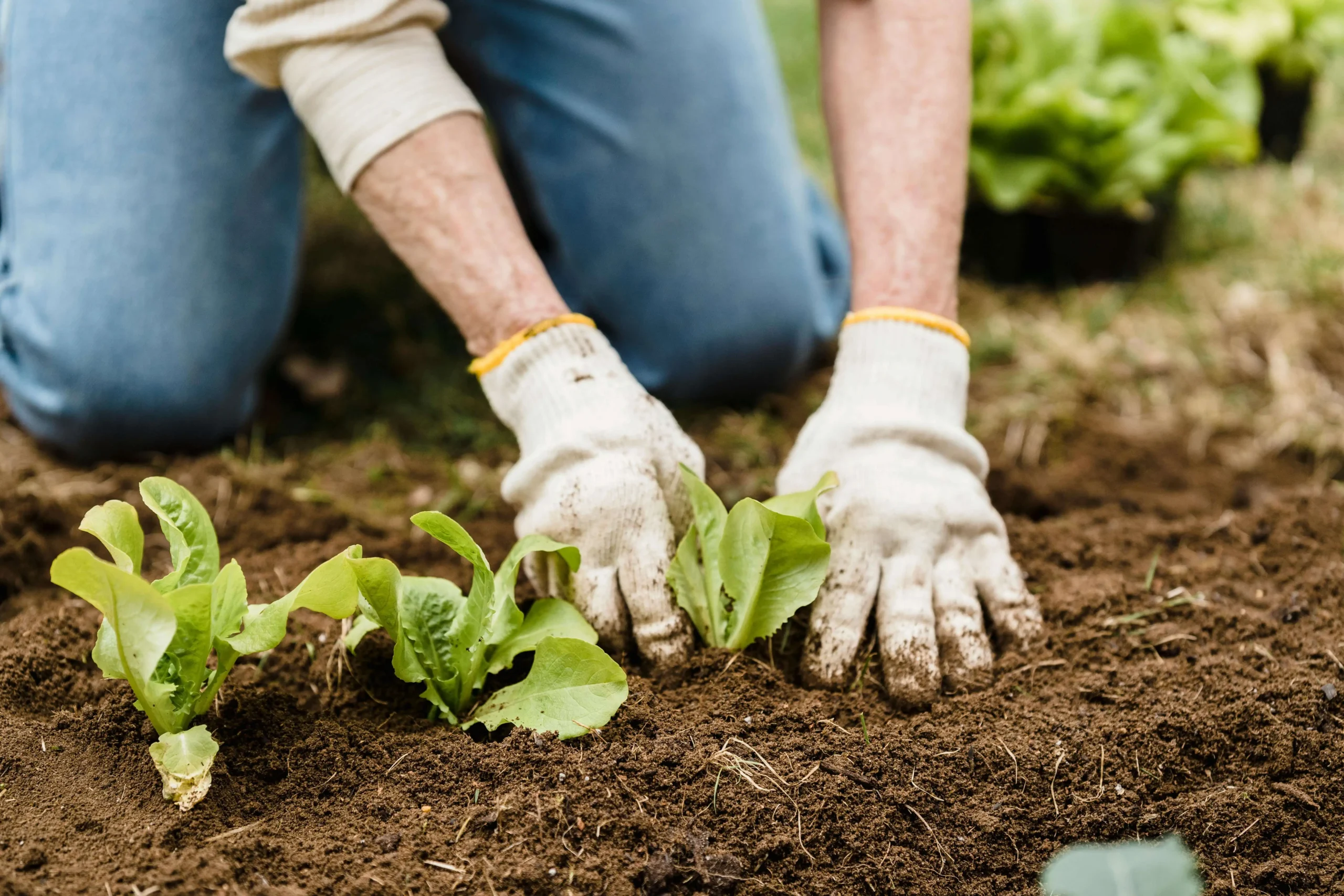
The most effective way to boost soil quality is by adding organic matter. This includes compost, aged manure, leaf mould and kitchen waste. Each addition builds soil structure and feeds microbes. For example, compost made from kitchen scraps and yard waste slowly releases nutrients and makes soil looser and richer. Aged cow manure or composted farm manure adds plenty of nitrogen, phosphorus and potassium in organic forms. Leaf mould (decomposed leaves) is rich in carbon and helps sandy soil retain moisture. Even indoor kitchen waste (vegetable peels, coffee grounds, tea leaves) can be composted or mixed into soil.
Organic materials improve soil by:
Improving structure. Organic matter helps sandy soils bind together and clay soils loosen up. This creates spaces for air and water. Rich organic soils stay friable and resist crusting.
Increasing nutrient retention. Humus (decayed organic matter) holds onto nutrients so plants can access them when needed. For instance, each 1% increase in organic matter can store up to 1,000 lbs of nitrogen and 20,000 gallons of plant-available water per acre. In practice, this means you can water less often and add fewer chemical fertilisers.
Boosting beneficial microorganisms. Fresh organic inputs feed soil life. Microbes, earthworms and fungi thrive on decomposing matter, and in turn they cycle nutrients and suppress diseases. “Fresh organic matter is the main feed source for soil organisms,” making nutrients available to plants and improving soil quality. Over time, a constant addition of compost or mulch creates a lively soil food web, which is the foundation of healthy plant growth.
Composting at Home: The Natural Soil Booster
Making your own compost is a natural way to recycle kitchen and garden waste into rich fertiliser. Use a bin or pile and layer browns and greens. “Browns” are carbon-rich (dry leaves, straw, shredded paper), and “greens” are nitrogen-rich (fruit and vegetable scraps, fresh grass clippings). Moisten and turn the pile occasionally to aerate. Over a few months, microbes will transform this mix into dark, crumbly compost.
Add to your compost: Fruit and vegetable peelings, dry leaves, grass cuttings, coffee grounds, tea bags, and shredded paper. These items balance nitrogen and carbon for efficient decomposition. Avoid adding: meat, fish, bones, dairy, fats or oils, diseased plants and pet waste. Such materials can attract pests and may not break down fully in a backyard bin. A hot, well-turned pile (around 55-60°C) will kill most weed seeds and pathogens; cover kitchen scraps with a layer of dry leaves to absorb odours.
Finished compost is a powerful soil booster. It feeds microbes and releases nutrients slowly. Use it to top-dress your garden, mix into new beds, or pot up container plants. Even a thin mulch of compost will improve soil fertility and structure over time. For a liquid boost, steep some compost in water to make compost tea – this liquid feed can be diluted and applied to soil or foliage, adding beneficial microbes without synthetic inputs.
Use Natural Soil Amendments
In addition to compost, other organic amendments can target specific needs:
Cow dung manure. Rich in nutrients and microbial life, well-rotted cow manure adds fertility and helps sandy soils retain water. (Raw fresh manure should age or compost first to avoid burning plants.)
Vermicompost (worm compost). Compost made by earthworms is very nutrient-rich and balanced, ideal for vegetables and potting mixes. It also boosts microbial diversity.
Wood ash. In small amounts, wood ash provides potassium and other minerals, and can help raise very acidic soil pH. Use sparingly (a handful per square metre) and mix it into soil.
Bone meal. Powdered bone meal is high in phosphorus, which promotes flowering and root growth. It is slow-release and best mixed into soil before planting bulbs or heavy feeders.
When to apply: Incorporate these amendments into the soil before planting (for example, mix in compost and manure while preparing a new bed). You can also top-dress gardens with mulch or compost in-season to feed soil slowly. In Sri Lanka’s tropics, adding organic matter at the start of each growing season and after heavy rains helps “reset” the soil. Continuous composting and periodic application (e.g. twice a year) is a sustainable practice for long-term improvement.
Improve Soil Fertility with Cover Crops
Cover crops (green manures) are plants grown not to harvest, but to enrich the soil. They protect bare soil from erosion and add organic matter when tilled or cut down. In home gardens, legumes are top choices: green gram (mung bean), cowpea, and clover fix atmospheric nitrogen into the soil. Mustard and other fast-growing plants add bulk and can suppress pests. As [NRCS] notes, cover crops help “increase organic matter in the soil and improve overall soil health by adding living roots”, and even improve water infiltration.
For a vegetable garden, sow a cover crop in a fallow bed after harvest, or interplant them with veggies. When cover crops flower, cut them down and either turn them into the soil or use as mulch. This recycles nutrients: legumes release nitrogen, while other crops scavenge leftover nutrients so they stay in your garden instead of washing away. Over time, cover crops reduce the need for chemical fertilisers and keep soil crumbly.
Mulching: A Simple Way to Protect and Feed Soil
Applying a layer of mulch (organic cover) over soil is one of the easiest practices with big benefits. Mulch types include dry leaves, straw, coconut husk fiber, pine needles or grass clippings. Gardeners often use whatever natural materials are plentiful. For example, coconut husks (coir) or rice husk mulch are common in Sri Lanka’s gardens.
Organic mulch retains moisture and controls weeds. As David Hillock of OSU Extension explains, “using organic mulch provides many benefits, including controlling weeds, reducing water evaporation, increasing water absorption and retention”. By keeping soil covered, mulch moderates temperature swings and prevents rain from compacting or eroding the soil. Over time, mulches break down and feed soil microbes, gradually improving soil fertility. In dry seasons, a thick mulch layer can halve watering needs, and in wet seasons it slows runoff and prevents crusting.
Natural Ways to Improve Soil Microorganisms
Soil microbes (bacteria, fungi, protozoa) are essential allies for plants. They break down organic matter into nutrients, form helpful relationships with roots, and outcompete plant pathogens. In fact, a healthy soil teeming with microbes improves nutrient absorption and strengthens root systems. Encouraging microbes means having more earthworms and beneficial fungi in your garden.
To boost them naturally:
Use compost and organic fertilisers. This is the best “food” for soil life. Every time you add compost or aged manure, you are seeding the soil with microbes. Consider also compost tea – a water extract of compost full of bacteria – as a gentle soil drench.
Avoid harsh chemicals. Synthetic fertilisers and pesticides can kill beneficial organisms. Studies show that intensive use of chemical fertilisers and tillage disrupts soil life and reduces nutrient quality in crops. By sticking to organic fertilisers (compost, vermicompost, liquid biofertiliser) and natural pest control, you let the soil food web thrive.
Practice minimal disturbance. Till only as needed; too much digging destroys fungal networks and organic matter. No-till or light digging methods protect soil microbes and structure.
Over time, as microbial life grows, you will notice earthworm castings on the surface and a fluffy soil texture. These are signs of a rejuvenated soil food web.
Avoid These Mistakes That Damage Soil Quality
Some common garden habits can harm soil health if unchecked:
Over-watering. Waterlogged soils drown plant roots and microbes by cutting off oxygen. Even in tropical climates, avoid leaving soil waterlogged; water deeply but infrequently to promote deep roots.
Excessive tilling. As the NRCS notes, frequent tillage “can destroy soil organic matter and structure”. Turning the soil repeatedly breaks up fungal networks and accelerates organic matter loss. Instead, use no-till beds or shallow fork-aerating, especially when soil is moist.
Chemical fertilisers. Heavy reliance on synthetic NPK solutions often means nutrients flood in quickly and then leach away. Conventional farming research suggests these inputs “may have contributed to declining nutrient density through disrupting” soil microbial symbioses. Over time they force you to apply more fertilizer and reduce soil life.
Natural alternatives: Use organic fertilisers like compost, aged manure or worm tea. Bio-fertilisers (such as Azolla or Rhizobium for legumes) can provide nutrients naturally. You can make simple plant brews at home (e.g. fermenting water with seaweed or molasses) as a foliar feed. These feed plants and soil gently without killing microbial allies.
Seasonal Tips to Maintain Healthy Garden Soil
Dry season (May-September). Mulch heavily to conserve moisture and keep soil cool. Water deeply in early morning or evening to reduce evaporation. Check soil moisture by feeling; water only when the top 5cm feels dry. Consider setting up drip irrigation or soaker hoses to supply consistent moisture to roots.
Rainy season (October-April). Improve drainage in low spots by adding gypsum or creating raised beds. Heavy rains can wash away nutrients, so apply compost or mulch before the monsoon. Plant cover crops or groundcovers to hold soil. If plants flood, gently wedge in straw or mulch on top to soak up excess water.
Each season, resist tilling wet soil (it smears and compacts). Instead, plan ahead: add organic matter well before heavy rains so it has time to settle. After monsoons, top-dress beds with a light layer of compost to replenish what rain has leached.
Long-Term Natural Soil Improvement Tips
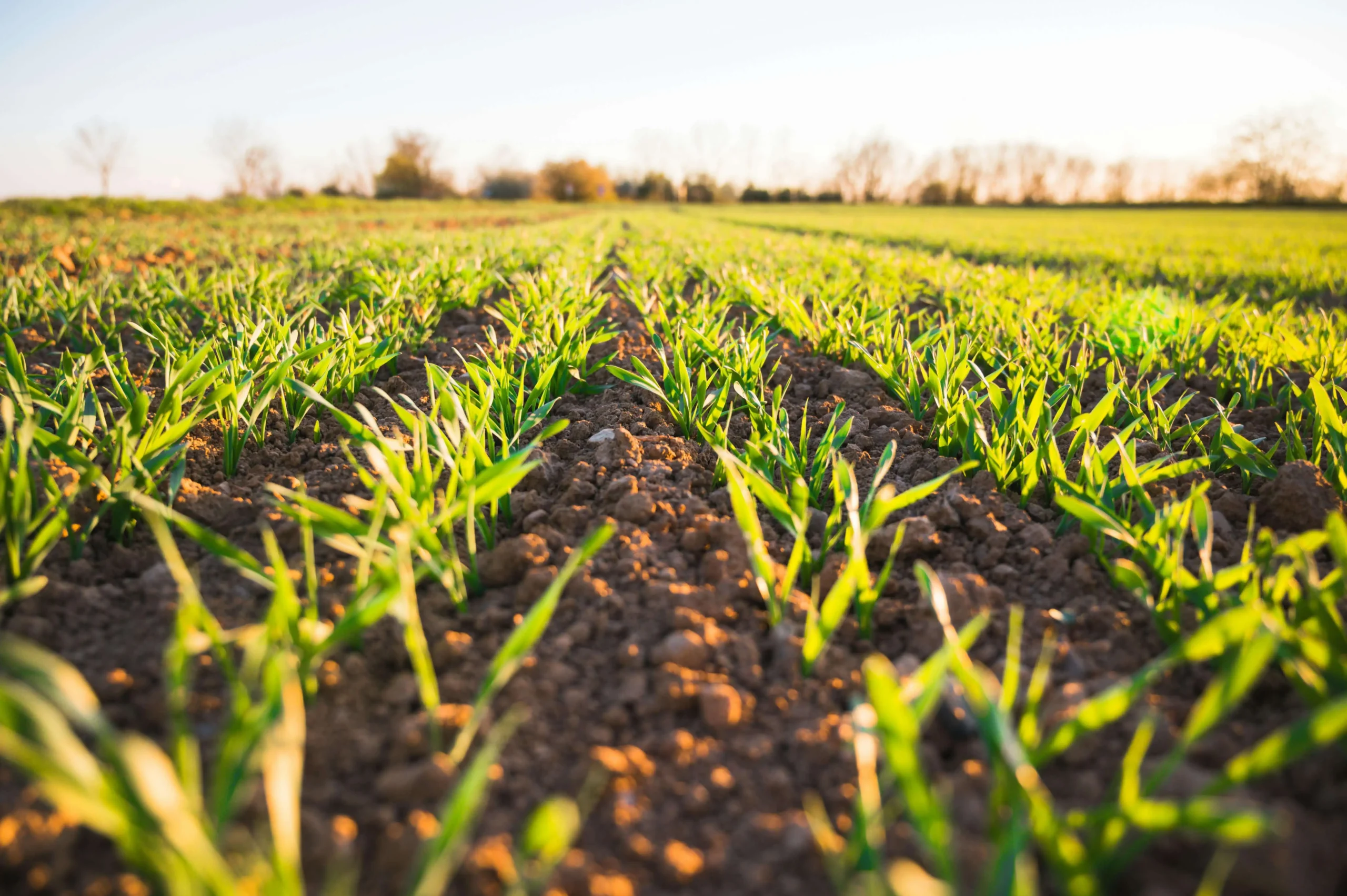
Healthy soil is built over years, not days. Adopt sustainable practices like crop rotation, mixed planting and continuous composting. Rotating vegetable families (e.g. moving tomatoes out of the same spot each year) prevents nutrient depletion and disease build-up. Interplanting (e.g. basil among tomatoes) can improve micro-climates and deter pests naturally. As the NRCS points out, increasing plant diversity above ground “improves diversity below ground” and enhances soil function.
Signs that soil is improving naturally include: better water retention (soil holds moisture like a sponge), a springy or crumbly soil structure, an abundance of earthworms and beneficial insects, and more vigorous plant growth without extra fertilizer. Over successive seasons you’ll see gardens producing more with less input if the soil is healthy.
In summary, improving your garden soil naturally means feeding the soil rather than relying on quick fixes. By adding compost, mulching, and using eco-friendly practices, you mimic how forests and jungles build rich earth. This not only creates a vibrant garden now but also ensures your land stays fertile for decades.
Conclusion
Healthy garden soil is the foundation of a productive and eco-friendly home garden in Sri Lanka. By understanding your soil type, testing it at home, and adding plenty of organic matter, you can boost fertility and plant health without chemicals. Practices like composting, mulching, cover cropping and avoiding over-tilling build long-term soil quality. As research shows, regenerative methods including natural fertilisers and diverse plantings lead to richer soil and more nutrient-dense crops. Begin by enriching your soil today with compost or manure, and each season you’ll see the benefits. For advice or organic amendments tailored to Sri Lanka’s conditions, reach out to Eco Agri Solutions. A greener, more fertile garden is within reach when you work with nature and science together.

Get the FREE Sri Lanka Planting Calendar 2026
Month-by-month guide. Yala/Maha seasons. Wet, dry & hill country crops. Delivered to your inbox.