How to Utilize a Small Block of Land for Gardening: Make the Most of Your Space

Small space gardening is not only possible, it’s also incredibly rewarding! Many people believe that gardening requires a large plot of land, but that’s simply not true. Even with a small block of space, you can create a thriving garden filled with fresh, home-grown produce and beautiful plants. Whether you’re living in an urban apartment, a suburban home, or a property with limited space, gardening can still be an enjoyable and fulfilling hobby. The key lies in making the most of the space you have available:
- Vertical Gardening: Use the Height, Not Just the Ground
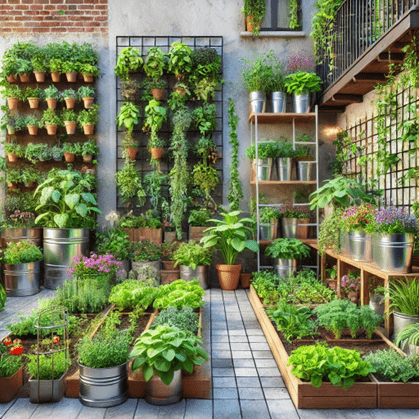
When space is limited, consider growing upwards instead of outwards. Vertical gardening is a great way to maximize your small area. You can use trellises, wall planters, hanging baskets, or even repurpose old ladders to create vertical garden structures. Plants like climbing beans, tomatoes, cucumbers, peppers, and vining flowers. Start these from high-quality seeds like morning glory or bitter gourd thrive on vertical support.
For even more compactness, you can set up a vertical garden system using plastic bottles, wooden pallets, or hanging bags for growing herbs, strawberries, and small vegetables. Vertical gardening adds beauty and functionality to small spaces, and it allows you to grow a wide variety of plants without taking up much floor area. - Container Gardening: Grow Anywhere, Anytime
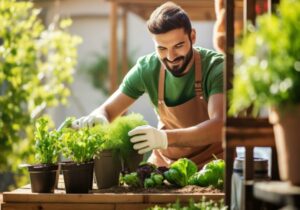
Container gardening is ideal for small spaces because it lets you grow plants anywhere—on balconies, patios, windowsills, or even indoors. You can use pots, buckets, crates, or other containers to plant everything from herbs like mint and basil to vegetables like tomatoes, carrots, and lettuce. With the right containers, you can create a garden on your balcony, rooftop, or even on a small patch of land by placing pots in rows or stacked tiers.
Choosing the right containers is essential for proper growth. Ensure they have drainage holes and are large enough for the roots to grow comfortably. Fill containers with premium coco peat for excellent moisture retention. Be mindful of watering needs, as container plants can dry out faster than in-ground ones, especially during hot weather. - Raised Beds: Maximize Soil Depth and Control
If you have a small block of land but want to grow vegetables or flowers, raised beds are an excellent solution. Raised beds provide better control over the soil, drainage, and weeds, making them ideal for limited space. You can construct raised beds using wood, bricks, or even old tires. These beds are typically elevated, allowing for better root growth and easier maintenance.
Raised beds can be organized in various shapes and sizes, depending on your available space. This method not only saves space but also improves the quality of the soil, as you can fill them with a mixture of nutrient-rich compost pellets, potting soil mix, and other organic materials. Raised beds are great for growing crops like spinach, lettuce, cabbage, and carrots. - Use Planting Walls or Green Screens
If you’re trying to garden in an area with limited ground space but have walls or fences, you can use those vertical surfaces to your advantage. Install a planting wall or green screen along the fence, which can act as a privacy barrier while simultaneously providing space for growing plants. You can grow herbs, vining vegetables, or even flowering plants like petunias or geraniums to add beauty and fresh produce to your garden.
Another option is to set up garden pockets or wall-mounted planters for herbs like rosemary or parsley, which don’t require much space but still provide a fresh supply of herbs for cooking. - Grow Multi-Use Plants
If your space is extremely limited, consider planting multi-use plants that serve both functional and aesthetic purposes. For example, curry leaves, basil, mint, and gotukola (Centella Asiatica) are wonderful additions to your garden that serve both as flavorful ingredients for cooking and as aromatic, leafy plants. You can grow these herbs in containers, hanging baskets, or even small beds, making the most of your small space.
Lettuce, spinach, and moringa are also excellent examples of fast-growing plants that can be grown in smaller areas and provide fresh, nutritious leaves for salads and soups. - Utilize Pathways and Corner Spaces
Sometimes, even in a small garden, you have pathways or corners that may be underutilized. These spots can be perfect for planting smaller plants or herbs that don’t require too much space. Consider growing onions, garlic, or chili peppers in these corners. Using the edges of your garden for low-maintenance plants can help maximize every square inch. - Optimize Sunlight Exposure
Even if you have limited space, it’s important to consider the sunlight exposure of each area in your garden. Some plants, like tomatoes and chilies, need full sun, while others, such as lettuce or spinach, can tolerate partial shade. Place sun-loving plants in the areas that get the most direct sunlight and use shadier spots for plants that need less light. By understanding the sun patterns of your space, you can plant more efficiently.
Did this guide help you? Share it with a fellow gardener, leave a comment below with your own tips, or tag us on social. We read every comment.

Get the FREE Sri Lanka Planting Calendar 2026
Month-by-month guide. Yala/Maha seasons. Wet, dry & hill country crops. Delivered to your inbox.