

Organic gardening is booming worldwide. Consumers and home growers seek eco-friendly produce as organic markets swell the global market for organic agricultural products is around USD 150 billion and projected to jump to about $650 billion by 2034. This surge includes Sri Lanka, where demand for organic fertiliser (for vegetables and other crops) has grown as a selling point in local and export markets. Yet even as gardeners shift away from synthetics, they may not know that “organic” does not mean foolproof. In Sri Lanka, the 2021 all-organic fertiliser policy fiasco proved this: a sudden ban on chemical fertilisers led to panicked farmers, severe yield drops and soaring food prices. (The ban was lifted after seven months, but Sri Lankan rice output fell from ~3.0 to 2.74 million tons and remains under pre-ban levels.) These real-world lessons underscore that good organic nutrient management requires knowledge and planning, not just goodwill. Below are ten common mistakes (and fixes) that home gardeners whether tending a Sri Lankan backyard or indoor planting make with organic fertilisers, with quick, practical tips to correct them.
Mistake #1: Treating All Organic Fertilisers as Equal
One common myth is that “organic” automatically means plenty of nutrients. In reality, different organic fertilisers vary widely in nutrient content and release rate. For example, various composts and manures contain very different amounts of nitrogen, phosphorus and potassium. One extension study notes that raw manures can differ hugely dry poultry manure may contain 19-52 lb N per ton, while dairy manure has only about 5-10 lb N per ton. Blended organic fertilisers and amendments (like blood meal, bone meal or compost teas) each have different N-P-K profiles and solubilities. Treating them as interchangeable can lead to under- or over-feeding plants. For instance, a fast-growing leafy vegetable (lettuce or spinach) may need a high-nitrogen amendment (like blood meal or fish-based fertiliser), while a fruiting crop (tomatoes, peppers) needs extra phosphorus and potassium for blooms and fruit set.
Quick Fix-Know Your Fertiliser: Do a simple analysis or read labels to understand what you’re using. If possible, have a lab check your compost or manure for N-P-K levels. Then match fertiliser to plant needs. Use a high-N organic fertiliser for leafy vegetables, but a fertilizer richer in P and K for flowering or fruiting plants. Garden centres often sell specific blends (for example, an “organic fertiliser for vegetables” may have a balanced N-P-K ratio suitable for veggies). If buying blended organics, look for guaranteed analysis. Make use of targeted products: for instance, a low-N, high-K “bloom booster” mix for fruiting crops, and a high-N liquid or granular feed for green vegetables. Over several seasons, you can tailor your mix: add cow or poultry manures where nitrogen is needed, and bone meal or kelp-based organic supplements where phosphorus or trace minerals are needed. In short, don’t assume every compost or manure is the same test or choose your organic fertiliser according to crop needs.
Mistake #2: Applying Organic Fertiliser Too Early or Too Late

Timing is crucial with organics. Unlike quick-release chemicals, many organic fertilisers release nutrients slowly as they decompose. Applying them at the wrong time can mean plants lack nutrients when they need them or nutrients wash away before roots can use them. The rule of thumb (especially for slow-release materials) is to apply before planting or at early stages of growth. A university extension fact sheet advises: if using organic slow-release fertilisers, the entire dose can be incorporated into soil before planting, by mixing it 4-6 inches into the seedbed. This ensures nutrients are in place as seedlings emerge. (For synthetic or quick-release blends, you would instead split applications, but that’s less common for purely organic garden fertiliser.)
At the other extreme, avoid applying fertiliser in the middle of a stress. For example, do not side-dress when plants are about to wilt. Also, never fertilise dry, lifeless soil: giving fertiliser to drought-parched dirt won’t do much until you water it in. Better to moisten soil a day or two before fertilising during a dry spell. And conversely, avoid fertilising just before heavy rains or storms drenches of water can leach or wash away nutrient-rich soil amendments. Studies show that intense rainfall often flushes applied fertilisers into runoff. If rain is due, hold off application, or lightly water the soil after fertiliser so it dissolves into the root zone rather than running off. In summary, plan your timing: spread compost or pellets a week or two before planting, then water in, and save additional top-ups for mid-season feeding rather than emergency late feeding.
Mistake #3: Over-Applying Organic Fertiliser
Organic is good, but more is not always better. Over-applying composts or manures can burn plant roots or create imbalances. In one study of urban gardens, soils averaged 13% organic matter well above the 3-5% optimum. Those gardens suffered: one raised bed had 30% organic matter, and that grower’s peppers “burned and died” by season’s end. In general, too much organic matter can elevate phosphorus (from manures) and cause nitrogen to leach out if rains follow. Another researcher warns: “There are environmental consequences to adding too much organic matter. Fertilizer leaching, runoff, plant burn and wasted time and money are all possible outcomes”. In short, stuffing the soil full of every compost you have can backfire.
Quick Fix -Follow a Soil Test: The most effective remedy is to test your soil before adding more. Many agricultural extensions (and local labs) offer simple pH/N-P-K tests. If a test shows nutrients are already adequate, hold off extra fertiliser. In fact, experts say the first step is a soil test -it tells you exactly how much nitrogen, phosphorus or potassium you need. For example, if soil organic nitrogen is already high, adding more manure just risks runoff. As a rule of thumb, maintain organic matter at about 5% of soil. If it’s 5% or more, add only small annual top-ups. Always dose by square meter, not by voluminous piles. Use a kitchen scale or measuring bucket to calculate how many grams of product give the desired N-P-K increase (see soil test guidance). In practice: if N is low, add just enough high-N organic (blood meal, fish emulsion); if P or K are low, add those specific amendments (bone meal, wood ash). In every case, follow recommended rates based on your soil test rather than pouring bulk quantities around. (Eco Agri Solutions, for example, offers guidance on using soil tests with our organic fertiliser blends.)
Mistake #4: Neglecting Soil pH
Healthy soil chemistry is the silent partner of organic nutrition. If pH is off, many nutrients “lock up” and become unavailable -no matter how much fertiliser you add. Soil pH has one of the greatest effects on nutrient availability. Most vegetables grow best in a slightly acidic to neutral range, roughly pH 6.0-7.5. Within that range, key nutrients (N, P, K, micronutrients) stay dissolved and accessible. But in very acidic soils (pH below ~5.5), even plentiful nitrogen or phosphorus can be tied up by aluminum or iron, depriving plants. In highly alkaline soils (pH above ~7.5), nutrients like iron or manganese become unavailable. In both cases, plants look yellow or stunted despite fertiliser inputs.
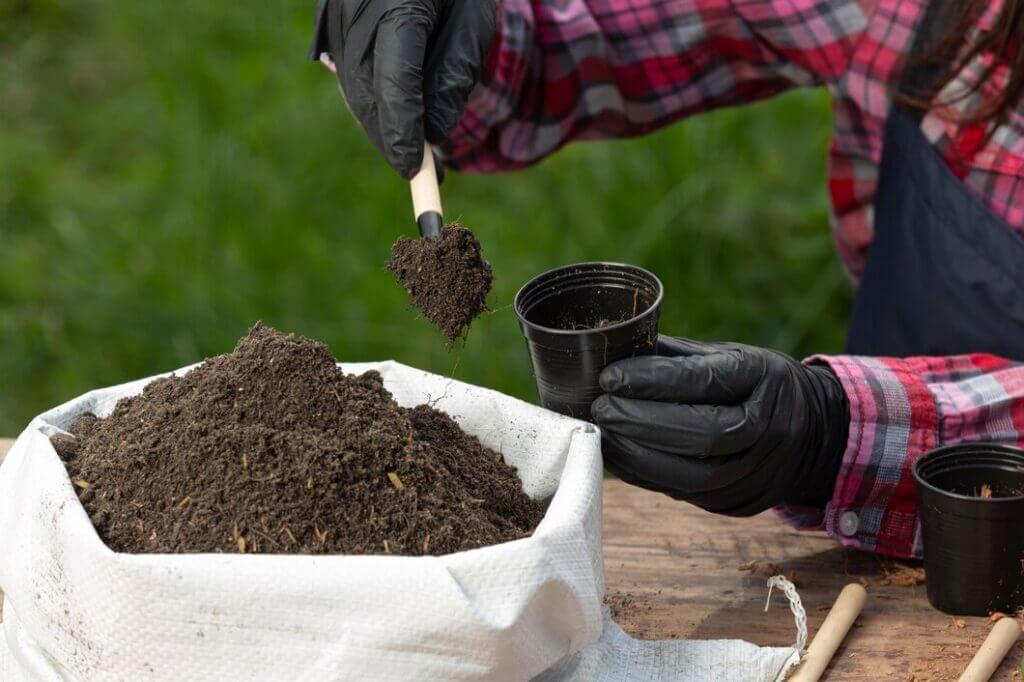
Quick Fix -Balance Soil Chemistry: Test pH with a simple kit or lab. If your soil is too acidic, raise the pH by adding lime (calcium carbonate) or wood ash gradually. If it’s too alkaline (rare in Sri Lanka), apply sulfur or gypsum to lower it. Aim for that mid-range where a wide spectrum of nutrients is soluble. Remember that pH correction takes time -lime works slowly over months -so adjust well before planting season. While you’re at it, incorporate a small amount of compost (which buffers pH swings) whenever you correct. By maintaining optimal pH, you ensure that the organic fertilisers you add (compost, manure, bio-fertiliser) can actually feed the plants effectively.
Mistake #5: Ignoring Crop-Specific Nutrient Needs
Different crops have different appetites. A one-size-fits-all fertiliser plan can leave some plants hungry and others overfed. For instance, leafy greens like spinach or lettuce demand lots of nitrogen to build dark foliage. By contrast, fruiting vegetables (tomatoes, eggplants, peppers) need relatively more phosphorus and potassium to set blooms and fruits. Excessive nitrogen on tomatoes, for example, can promote lush vines but delay fruiting. The University of Minnesota notes: “Too much nitrogen late in the season can minimize or delay fruiting” of nightshades.
Quick Fix -Tailor Fertiliser Plans: Customize your organic feeding by plant type. If you grow vegetables for salad, feed them an organic fertiliser for vegetables that’s high in N (blood meal, feather meal, or an animal-manure blend). If you have tomatoes and peppers, use a bloom-promoting organic mix (higher in P and K) or add bone meal and wood ash near planting. You can rotate fertiliser blends seasonally or even row by row. Keep a log: note which plants responded well or poorly to each feed. Above all, never give heavy feeders a bland mix meant for general flowers. Conversely, don’t give nitrogen-loving crops a bloom booster high in phosphorus -it won’t help them grow green biomass. With a simple plan to match each crop’s needs, you avoid many common “problems” in organic gardens.
Mistake #6: Not Managing Organic Matter Properly
It’s easy to assume that “more compost” is always the answer, but in fact, organic matter management has subtle points. For healthy soil, aim to build compost and mulch into the garden year-round rather than dumping raw materials willy-nilly. Add finished compost and mulch regularly. Compost improves soil structure, feeds microbes, and holds water. The US EPA notes that applying compost yields multiple benefits: it improves plant growth and yield, increases soil fertility, boosts water-holding capacity and infiltration, and supports higher populations of beneficial soil organisms. Mulches (like straw or wood chips) and green manures (cover crops) also conserve moisture and slowly release nutrients. In short, strive for consistent, moderate organic amendments to feed the soil life over time.
Another pitfall: using raw manure incorrectly. Fresh manures (cow, chicken, pig) are rich but potentially hazardous. Always use only well-composted manure, especially on food crops. Uncomposted animal manure can carry pathogens. Organic rules require waiting about 120 days after raw manure application before harvesting produce. To be safe, apply manure in the fall or to a cover crop, letting it compost in place before your vegetables follow. This reduces risk and prevents nutrient spikes. In Sri Lanka’s tea and veggie gardens, for instance, farmers often first incorporate manure into the soil for months, then plant a rotational crop. In summary: feed the soil (with compost and mulch) rather than dumping raw waste. Your plants will benefit from steady nutrient release and a thriving soil ecosystem.
Mistake #7: Underestimating Microbial Activity
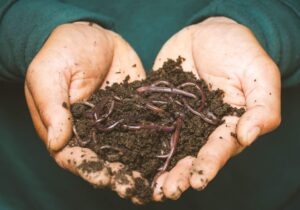
Organic fertilisers work largely through the soil food web. Helpful bacteria, fungi and earthworms are what convert compost into plant food. Neglecting this life misses half the point of organics. For example, compost teas and worm castings are organic techniques that directly boost microbial populations. A scientific trial found that applying compost tea (a brewed, microbe-rich liquid) to vegetables significantly increased yields lettuce yields rose ~21%, onions +58% and chard +110% compared to controls. The tea also reduced slug damage on lettuce, showing biostimulant effects. Similarly, worm castings (vermicompost) are high in beneficial microbes and nutrients. Research explains that vermicompost has “excellent nutrient status” and “enhances soil biodiversity by promoting beneficial microbes” that boost plant growth and suppress pathogens.
Quick Fix- Feed the Soil Biology: Encourage life in the soil. Use worm castings or organic compost teas as part of your feeding routine. These organic liquid fertilisers (like DIY compost tea or fish-emulsion feeds) introduce microbes that help plants access nutrients. Avoid excessive tilling, which destroys fungal networks and earthworm tunnels. Instead, practice no-dig or minimal-dig gardening to preserve the “drilosphere.” You can also add a handful of finished compost or a splash of organic liquid fertiliser around plants monthly. Over time, a healthy population of soil microbes will do much of the fertilising work for you, releasing N-P-K from organic matter and even deterring some pests.
Mistake #8: Not Adjusting Fertiliser for Weather
Weather makes a big difference. The same fertiliser strategy won’t work every season. For instance, heavy rains can dilute or wash away fertiliser, making it ineffective. Studies show that during intense rainfall, soil-applied fertilisers easily leach out of the root zone, reducing uptake by plants. In practice, this means don’t broadcast a big dose of compost or liquid just before storms. Instead, plan to fertilise on drier days or wait until after rain when the soil has drained.
Conversely, in dry spells, fertiliser needs careful attention. Never apply fertiliser to bone-dry soil – it won’t dissolve into the soil solution that roots need. If a drought threatens, water the garden lightly 24 hours before adding any fertiliser so the nutrients can dissolve. (Also consider using slow-release organic forms or soaker irrigation to deliver nutrients gradually during a dry stretch.) In short, adapt to conditions: if heavy rains are forecast, hold off feeding; if it’s very dry, prime the soil with water first. With a little weather-watch, you’ll avoid nutrient losses and make your organic fertilisers more effective.
Mistake #9: Waiting Too Long to Correct Deficiencies
A common trap is ignoring early warning signs of nutrient shortage until plants are sickly. By then, it’s too late for a simple fix. Instead, practice regular scouting and testing. Check your plants weekly: yellowing leaves, stunted growth or patchy colour often signal nutrient gaps. For example, a pale yellow (chlorotic) leaf on new growth usually means lack of iron or nitrogen; purple-tinged older leaves suggest phosphorus deficiency. At the first hint of a problem, act quickly. Even a basic soil test kit or lab test at that point can tell you which nutrient is low. If you suspect a specific shortfall, a quick plant tissue test (several leaves sent to a lab) can confirm it before symptoms worsen.
Quick Fix -Early Detection: Don’t wait for the whole plant to wilt. As Monty’s blog notes, tissue testing can reveal nutrient deficiencies before symptoms appear. Some tools for home gardeners include inexpensive soil test kits and “sap” or leaf-test strips that give instant N-P-K readings. If you do find a deficiency, correct it swiftly with a targeted, soluble organic amendment -for example, a foliar spray of liquid seaweed for potassium, or chelated iron solution for iron. Also consider foliar feeds (dilute compost tea or fish emulsion sprayed on leaves) for a fast boost. The key is to catch nutrient issues early so the plant has time to recover and produce a full harvest.
Mistake #10: Failing to Learn from Local Challenges
Mistake lessons aren’t just at garden scale; they come from the field. In Sri Lanka, for example, the 2021 fertiliser policy experiment became a cautionary tale. The government’s abrupt ban on synthetic fertilisers was intended as an “organic revolution,” but in practice it hurt food production. Within weeks, farmer protests erupted as yields plunged. Experts noted rice output fell from about 3.0 million tons to 2.74 million in one season, and crop prices soared. A farmers’ association warned early on that “they couldn’t get a good harvest from just organic material”. The ban was finally reversed after seven months, but not before spiking inflation and creating shortages.

Lessons from Sri Lanka: Even though national policy swings can seem far from a backyard plot, the principle is the same: don’t transition blindly. Organic methods need good inputs and education. If a nationwide shift failed without training and resources, a small garden should be planned. Learn from that experience by balancing organic practice with pragmatic support get local soil tests, use proven organic products, and adapt methods from nearby farms. Keep an eye on regional developments: if fertiliser shortages or price jumps happen, you may need to lean more on compost and manure, or select crops that require less feeding. In short, stay informed and prepared.
Quick Fix -Stay Informed and Balanced: Use both garden-scale and national lessons. Follow sustainable farming updates in Sri Lanka so you know if new fertilizers or practices become available. In your garden, be flexible: combine organic fertiliser with careful planning. For example, rotate green manure crops or intercrop legumes (a rotation technique that can boost nitrogen naturally), and supplement with organic fertiliser only as needed. And remember, ideology alone won’t grow a harvest -success comes from integrating soil tests, crop needs and local advice.
Bonus Tips for Organic Fertiliser Success
Keep a calendar: Mark planting dates, fertiliser schedules and soil tests on a garden calendar. A simple reminder to apply compost in autumn or fertiliser in spring can prevent many timing mistakes.
Rotate your crops: Do not plant the same family of vegetables in the same spot year after year. Rotation keeps nutrient use balanced and interrupts pests. (Research shows crop rotation can boost yields by about 20% on average.) For example, follow heavy feeders (corn, tomato) with legumes (beans, peas) that help fix nitrogen.
Use slow-release forms: Organic materials (compost, pellets, well-aged manures) inherently release nutrients slowly, which reduces the risk of burn or washout. Where quick action is needed, use liquid organic fertiliser (like fish emulsion or a compost tea) carefully so plants absorb it immediately.
Educate yourself: Read trusted local extension guides or consult experts. Eco Agri Solutions offers advice on organic fertilisers suited to Sri Lankan gardens. Staying informed about plant nutrition in tropical climates will pay off in healthier, more abundant harvests.
Conclusion
Even the best-intended organic fertilising can go awry without the right knowledge. These common mistakes from over-applying compost to ignoring pH are major reasons gardeners see lower yields or weak plants. By learning what goes wrong, and applying the fixes above, gardeners in Sri Lanka (and beyond) can boost both their soil health and their harvests. Indeed, the upheaval in Sri Lanka’s farming sector after the fertilizer ban shows the high cost of poor planning. On the flip side, it reminds us that education and strategy matter. Each of us can take a practical approach: match fertiliser to the plant, test early, adapt to weather, and even draw on national lessons for our backyard. If you have questions about organic fertilisers or want tailored recommendations, feel free to contact Eco Agri Solutions PVT LTD, we specialise in Sri Lanka’s organic fertiliser products and offer soil test services and custom advice.
Which fertiliser mistake have you made? Leave a comment below about your biggest organic gardening hiccup and how you solved it, we’d love to learn from your experience!

Get the FREE Sri Lanka Planting Calendar 2026
Month-by-month guide. Yala/Maha seasons. Wet, dry & hill country crops. Delivered to your inbox.