
What Are the Signs Your Plants Are Unhealthy? (7 Fixes)

Why is it Important to Keep Your Plants Healthy?
Healthy plants are the foundation of any productive garden or farm. In Sri Lanka, where farming (rice, vegetables and fruits) is a major livelihood, thriving plants mean better yields, tastier produce and greater resilience to stress. Plants convert sunlight into nutrients and support ecosystems, so keeping them healthy helps your garden flourish and reduces the need for chemical inputs. Regularly inspecting plants and adjusting care based on what you find can prevent small issues from becoming bigger problems down the line. It’s worth noting that many Sri Lankans also grow plants indoors or in small spaces the same care principles (light, watering and nutrients) apply to houseplants and kitchen gardens.
The Benefits of Natural Plant Care Solutions
Using natural plant care solutions has many advantages. Organic fertilisers and compost act as soil amendments, improving soil structure and fertility over time. For example, compost adds organic matter that helps soil retain moisture and plant nutrients. Natural remedies such as neem oil and beneficial insects target pests and diseases without harmful chemicals, protecting wildlife. By choosing eco-friendly plant care, Sri Lankan gardeners build healthier soil and stronger plants. Research indicates that adding compost can increase crop yields and even help suppress pests and diseases naturally. In Sri Lanka, companies like Eco Agri Solutions PVT LTD offer organic fertilisers (including blends formulated for vegetable gardens) and soil amendments to help gardeners implement these natural practices.
7 Signs Your Plants Are Unhealthy
1. Yellowing Leaves
When the edges or veins of leaves start turning yellow, it is often the first warning of stress. Nutrient deficiencies (especially nitrogen or iron) can cause leaf chlorosis. In Sri Lanka, for instance, rice plants have turned yellow due to lack of soil nutrients. Both overwatering and drought stress can also trigger leaf yellowing. Identifying the pattern of yellowing (e.g. affecting older leaves first) helps diagnose the cause.
Common Causes: Overwatering, underwatering or nutrient deficiency (lack of N, K, Fe etc.).
Natural Fix: Improve soil fertility with well-rotted compost or an organic fertiliser. Allow soil to dry slightly between waterings. For a quick green-up, apply an organic liquid fertiliser or compost tea to boost nutrients.
2. Wilting or Drooping Leaves
Wilting or limp leaves usually indicate a watering issue. Under very dry conditions, plants will wilt and recover after watering. Conversely, roots in waterlogged soil can’t take up oxygen, leading to wilting even when the soil is saturated. Both water stress and excess moisture cause drooping. Even resilient houseplants can wilt under constant waterlogging. Ensuring the soil drains well and watering deeply but infrequently usually solves this problem.
Common Causes: Lack of water or poor drainage (soggy soil).
Natural Fix: Plant in well-draining soil and water thoroughly, letting excess water drain away. For outdoor gardens, raised beds or mounds can prevent waterlogging. For pots, use a drainage saucer to prevent standing water.
3. Brown Leaf Tips
Brown or crispy tips on leaves are often a sign of stress from environmental factors. Low humidity (common indoors or in air-conditioned rooms) will dry out leaf margins quickly. Likewise, excess fertiliser leaves salt residues that burn the leaf tips. This problem is common on houseplants like dracaena or spider plants in dry offices. Identifying the cause is key: if you fertilise heavily or water with very hard water, salts may build up in the soil.
Common Causes: Over-fertilisation (salt build-up) or low humidity.
Natural Fix: Reduce fertiliser dose and occasionally flush the soil with clean water to leach out salts. Increase humidity by misting leaves, using a pebble tray or grouping plants together.
4. Spots on Leaves
Dark or pale spots on leaves often indicate a disease or pest is at work. Fungal infections (such as leaf spot or mildew) cause characteristic patches, and certain insects (like thrips) can cause stippling or spots. Neem oil is a highly effective natural pesticide and fungicide, controlling pests and inhibiting fungal growth. In fact, neem treats many common leaf diseases like black spot, rust and anthracnose. Always remove heavily spotted leaves to prevent disease spread.
Common Causes: Fungal infections (leaf spot, powdery mildew) or sap-sucking insects.
Natural Fix: Remove and destroy affected leaves. Spray neem oil or an organic fungicide on plants. Improving air circulation and avoiding overhead watering also reduces fungal outbreaks.
5. Stunted Growth
If new shoots are unusually small or plants barely grow, check their conditions. Inadequate light is a common culprit: plants grown in shade tend to be spindly with pale leaves. Nutrient-poor soil will also limit growth well-fed plants grow vigorously. Stunted plants often respond quickly to improved conditions.
Common Causes: Poor soil quality (low nutrients) or inadequate light.
Natural Fix: Move plants to a sunnier spot or trim back overhanging shade. Mix in rich organic compost to improve soil fertility and drainage.
6. Root Rot
Root rot occurs when soil remains too wet and roots suffocate, causing decay. Plants with root rot often wilt or have yellow leaves despite wet soil. You may see brown, mushy roots if you inspect the pot. This problem is common when plants sit in a saucer full of water or soil is heavy clay.
Common Causes: Overwatering or very poor drainage.
Natural Fix: Remove the plant, trim away any rotted roots and repot in fresh, well-draining soil. Mix in organic compost or coarse sand to improve drainage. Allow the plant to dry out between waterings.
7. Pests on Your Plants
Pests reveal themselves as insects on foliage, sticky honeydew, webbing or cottony fuzz. Aphids, mealybugs, scales and spider mites are common in Sri Lanka’s warm climate; they suck plant juices and can spread disease. Most pests appear on new growth or undersides of leaves.
Common Causes: Insect pests like aphids, mealybugs or spider mites.
Natural Fix: Introduce beneficial insects (e.g. ladybugs to eat aphids) or spray with a gentle insecticidal soap to wash off pests. Neem oil spray also repels many pests and is safe for beneficial insects. Isolate infested plants if possible to stop spread.
How to Fix These Problems Naturally
1. Watering Techniques for Healthier Plants
Proper watering is crucial for plant health. Water deeply so that moisture reaches the root zone, then allow the topsoil to partially dry out before watering again. This prevents root rot and encourages strong root growth. For outdoor gardens during heavy rains, a raised bed can help drain excess water. For potted plants, use a saucer to catch excess water.
Water deeply, but allow the soil to dry between watering.
Optionally, apply an organic liquid fertiliser spray (seaweed or fish emulsion) to boost nutrients between watering cycles.
Use a saucer to catch excess water and prevent root rot.
2. Boosting Soil Health
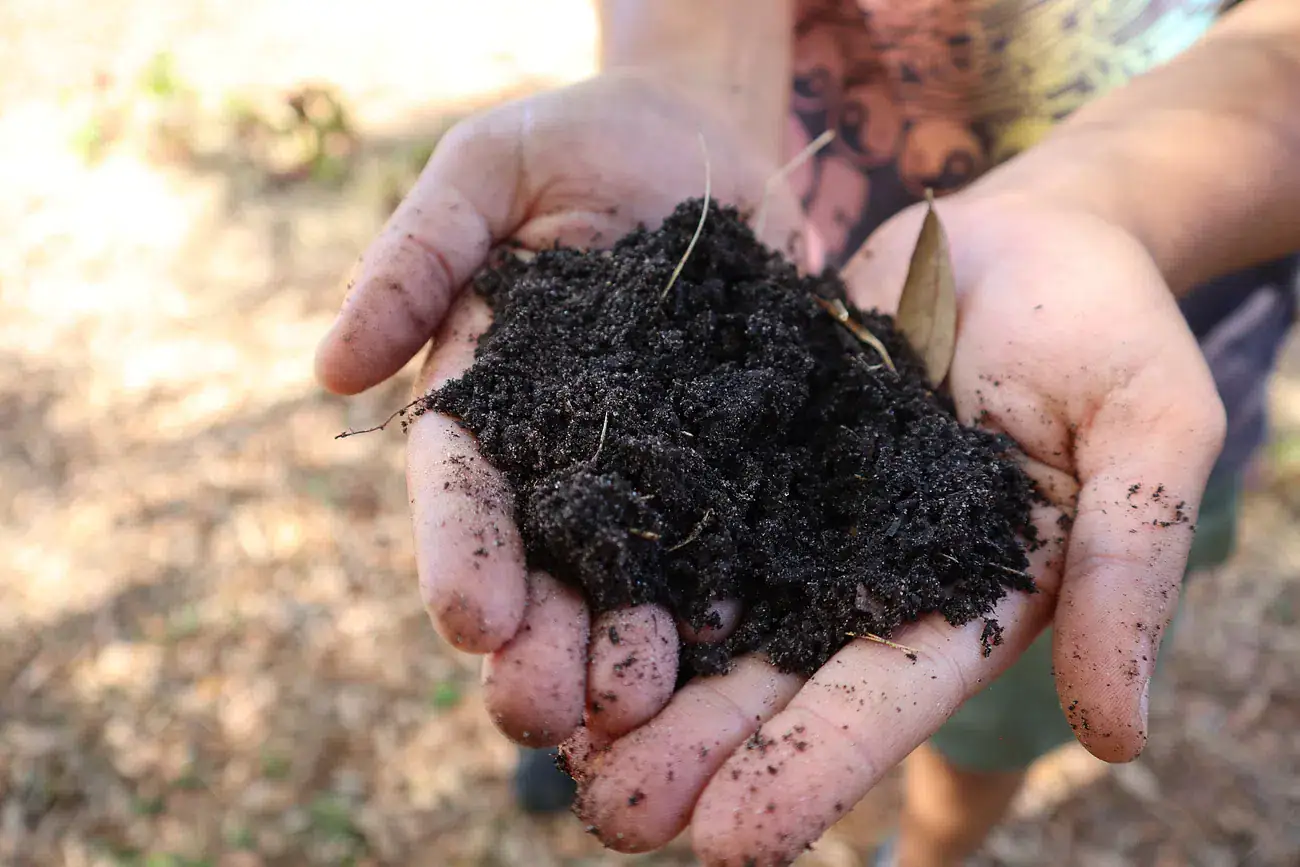
Adding organic matter is a natural way to improve soil fertility and structure. Well-rotted compost, aged manure or biochar can add nutrients and help soil hold moisture. Compost contains essential plant nutrients in slow-release forms, boosting fertility without chemical runoff. It also feeds beneficial soil microbes and improves soil texture. In Sri Lanka, materials like coconut coir, composted rice husks or leaf mould are often used in gardens. A layer of organic mulch (straw, wood chips or shredded leaves) around plants keeps roots cool, conserves moisture and suppresses weeds.
Add organic compost or a balanced organic fertiliser (for example, an organic fertiliser for vegetables) to improve nutrients and drainage.
Mulch to retain moisture and keep roots cool.
3. Natural Pest Control Solutions
Many pests can be controlled without chemicals. Neem oil, extracted from the neem tree, smothers insects and fungal spores. Insecticidal soaps (potassium salts of fatty acids) wash off soft-bodied pests like aphids, mealybugs and mites. Simple traps (yellow sticky cards or soapy-water traps) can catch flying or crawling pests. Planting companion plants (such as marigolds or basil) can repel pests and attract beneficial insects. Encouraging predatory insects (ladybugs, lacewings) and hand-picking pests when seen are also effective.
Neem oil for general pests and fungal issues.
Insecticidal soap or DIY soap traps using diluted water and a few drops of soap.
Use companion planting (e.g. marigolds or basil) to naturally repel pests and attract beneficial insects.
Prevention Tips for Keeping Your Plants Healthy
1. Regular Plant Inspections
Early detection of issues is key. Check plants weekly for wilting, spots or pests on leaves and soil. Using a simple notebook or photo record can help spot trends over time. Remove any dead or diseased foliage immediately to prevent spread. Regular pruning of spent or damaged branches also encourages healthier growth.
Check leaves and soil regularly for signs of disease or pests.
Prune dead or infected areas promptly to prevent problems from spreading.
2. Proper Plant Placement
Place plants in areas suited to their needs. Sun-loving vegetables and flowering plants should get ample sun, while shade-tolerant species prefer shelter. For indoor planting, choose a bright window spot (morning or late afternoon sun) and protect delicate plants from scorching midday rays. Ensure good air flow: spacing plants or using a fan helps prevent humid pockets where fungus can thrive.
Place plants in areas with adequate sunlight for their needs.
Ensure proper air circulation to reduce fungal issues.
3. Avoid Overwatering or Underwatering
Balance is vital. Always check soil moisture before watering. A consistent approach is especially important for vegetables and houseplants. You might use a simple self-watering pot or drip system to avoid large swings between drought and waterlogging. Over the dry season, apply extra mulch; under heavy rain, improve drainage.
Check soil moisture before watering (finger test).
Invest in a self-watering system or drip irrigation for consistency.
Conclusion
Why Natural Remedies Are the Best for Plant Health
Natural remedies often outperform harsh chemicals in the long run. Organic fertilisers and compost gradually improve soil health, feeding plants over time and reducing harmful runoff. They nurture beneficial microbes and insects rather than killing them, creating a more balanced garden ecosystem. By using these methods, you avoid chemical residues on fruits and leaves and strengthen plants’ natural defences. Many farming experts now advocate combining organic inputs with minimal chemical inputs as needed to protect yields.
Finally, remember Sri Lanka’s climate. In hot, dry regions (like Kurunegala), mulching and watering in the cool morning are crucial; in wet zones, ensure excellent drainage. During the monsoon (Yala), rely on raised beds and mulches to manage excess water, and in the dry season (Maha) conserve moisture and feed frequently. For example, gardeners often mix well-decomposed cow manure or kitchen compost into vegetable beds before planting. These organic amendments are rich in nitrogen, phosphorus and potassium nutrients that our soils commonly lack. Patient, consistent care combined with the natural fixes above will yield a lush, healthy garden.
For tailored plant nutrition, consider Eco Agri Solutions PVT LTD. Request a quote today to find the right organic fertilisers and soil amendments for your garden.

Get the FREE Sri Lanka Planting Calendar 2026
Month-by-month guide. Yala/Maha seasons. Wet, dry & hill country crops. Delivered to your inbox.