In today's fast-paced urban and suburban lifestyles, the idea of having a garden can feel like a distant dream, especially if you live on a small plot of land. Whether you're in an apartment with a small balcony or in a home with a compact yard, starting a garden might seem like a daunting task. However, with the right approach, you can easily transform your small space into a thriving green oasis.
Here’s a simple guide to help you get started with gardening in your urban or suburban home, even if you have limited space:
1. Start Small – Don't Overwhelm Yourself
When beginning your gardening journey, it’s important to start small. Focus on a few plants that are easy to care for and fit within the available space. You don’t need to transform your entire yard or balcony into a garden right away. Consider starting with a small herb garden, a few flowering plants, or even a small vegetable patch in containers.
2. Use Containers and Raised Beds
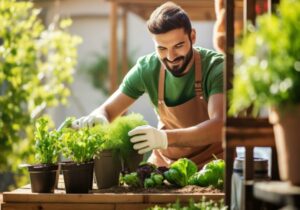
One of the easiest ways to make the most out of a small space is by using containers. Planters, pots, and hanging baskets are perfect for growing a variety of plants, including vegetables, herbs, and flowers. Raised garden beds are another great option, as they allow you to control the soil quality and ensure good drainage while taking up less space.
3. Choose the Right Plants
The key to a successful garden is choosing plants that are well-suited for your space and environment. If you live in an area with limited sunlight, look for shade-tolerant plants. On the other hand, if you have a sunny space, you can grow vegetables like tomatoes, and herbs such as basil and mint. Always consider the size of the plants as well—look for compact varieties that will thrive in smaller spaces.
4. Maximize Vertical Space
If horizontal space is limited, think vertically! Vertical gardening allows you to grow more plants without taking up precious ground space. Use wall planters, hanging pots, or vertical racks to grow climbing plants like beans, cucumbers, or peas. You can also install a trellis for vines like tomatoes or roses to grow upwards, adding greenery without using up more land area.
5. Improve Soil Quality
No matter the size of your garden, healthy soil is essential for healthy plants. For container gardens, use high-quality potting mix that drains well and contains essential nutrients. For raised beds or small outdoor spaces, enrich the soil with organic compost or natural fertilizers to boost its fertility. Organic compost, like the one we produce at Eco Agri Solutions Pvt Ltd, is a great choice to ensure your plants get all the nutrients they need.
6. Water Wisely
In small spaces, water conservation is key. Many people make the mistake of over-watering or under-watering their plants, but finding the right balance is crucial. Be sure to water your plants early in the morning or late in the evening when the sun is not too strong. For container gardens, ensure that the pots have drainage holes to avoid waterlogging. Using a watering can with a gentle spout or an automated drip irrigation system can help distribute water evenly.
7. Make Use of Indoor Space
Don’t forget that your small indoor space can also be a great location for a garden. Windowsills, countertops, and even shelves can be transformed into green spots by placing small pots of herbs or flowers. Indoor plants not only help freshen the air but also add a natural touch to your home decor.
8. Embrace Low-Maintenance Plants
If you’re new to gardening or have a busy schedule, consider choosing low-maintenance plants that don’t require constant attention. Succulents, cacti, and hardy herbs like thyme or oregano are great choices for beginners and those with little time to spare.
9. Be Patient and Consistent- Gardening takes time, especially when you're working with a small space. Plants need time to grow, bloom, and thrive. Don’t get discouraged if things don’t look perfect right away. Keep tending to your garden with love and care, and you'll see the rewards in due course.
Conclusion: Gardening, Even in Small Spaces, is Possible!
Living in an urban or suburban area with limited space doesn’t mean you can’t enjoy the benefits of a garden. With a little creativity and the right tools, anyone can create a beautiful and productive garden in even the smallest of spaces. So, why wait? Start small, choose the right plants, and transform your home into a green paradise!




Really useful points here, especially for people with limited space. I started my medicinal herb garden in a small home setup and realized how important plant selection and sunlight planning are. I shared a beginner-focused write-up on Medium based on my experience for anyone interested:
https://medium.com/@onen6665/how-i-started-a-medicinal-herb-garden-at-home-beginner-friendly-guide-for-2026-779b6b9538d9