
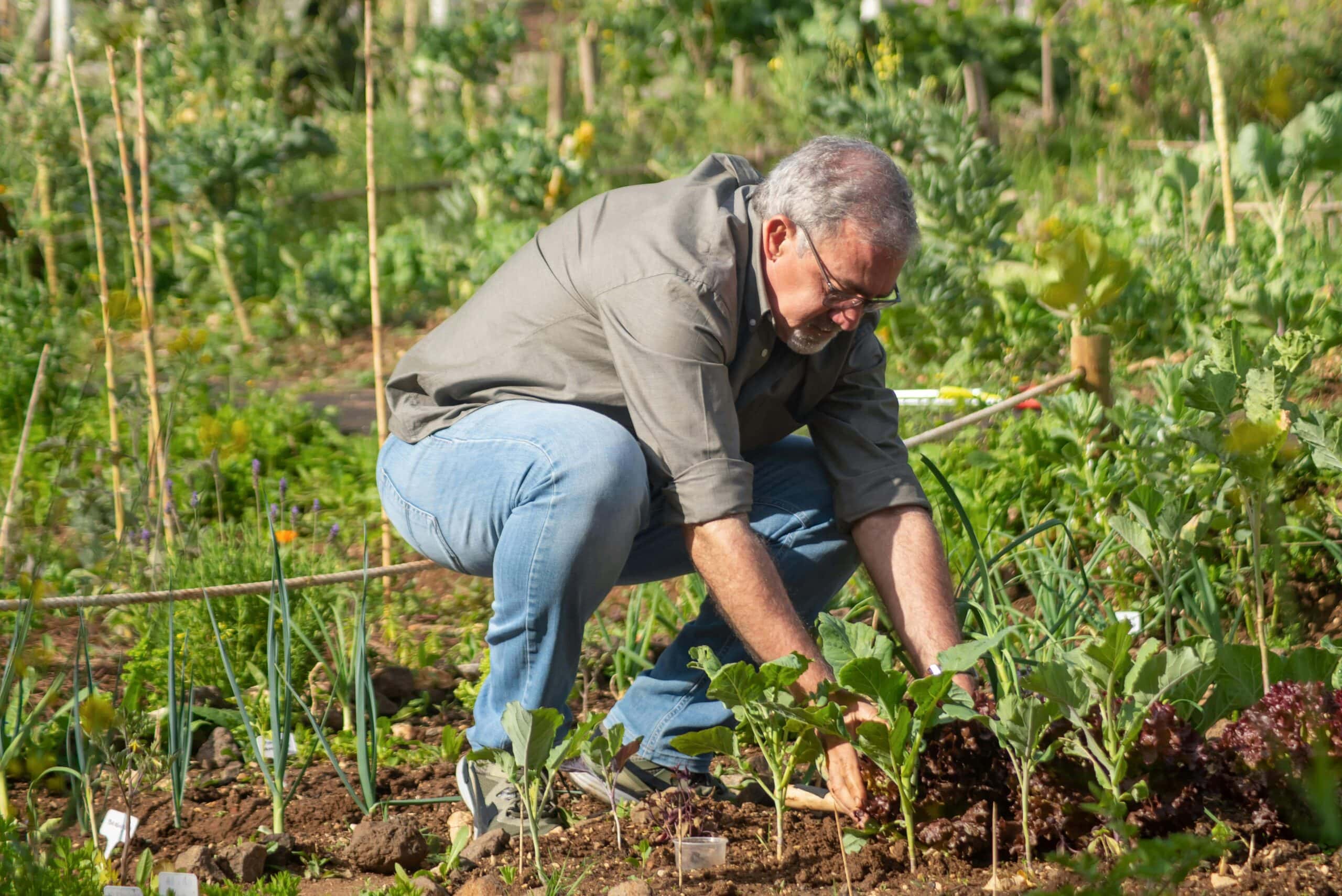

Home gardening is very popular in Sri Lanka – about 61.5% of households grow some vegetables at home. However, many novice gardeners face recurring problems. For example, overwatering plants mistakes (watering too much) can easily kill young seedlings by causing root rot. To succeed, a beginner must learn from experience: choose the right plants, prepare soil well, water appropriately, and watch for pests. The advice below outlines the most common mistakes and how to avoid them.
Choosing the Wrong Plants for Your Climate

Sri Lanka has distinct climatic zones and seasons. In general, the Wet Zone (southwest) gets >2500 mm of rain a year, the Dry Zone (north & east) <1750 mm, and an Intermediate Zone in between. Crop choices must match these conditions. For example, jackfruit and breadfruit do well in wet zones while drumstick (Moringa) suits dry areas. Also note Sri Lanka’s two monsoon cropping seasons: the Maha season (Sept–Mar) and the Yala season (Apr–Sept). A plant that thrives in one season or zone may fail in another.
Not Understanding Local Weather Conditions: A common error is treating the whole country as one zone. In dry, sun-baked regions, drought-tolerant crops like eggplant or manioc are better. In wet regions, choose plants that can tolerate heavy rain (e.g. leafy greens). New gardeners should check their area’s agro-climatic zone and typical rainfall before choosing crops.
Ignoring Sunlight Requirements: Most vegetables require full sun – at least 6 hours of direct sunlight daily. Many Sri Lankan yards have partial shade from trees. Planting sun-loving crops (like tomatoes or chillies) in deep shade leads to spindly, unproductive plants. Always observe your garden: avoid spots blocked by buildings or trees during key sun hours. If sunlight is limited, select shade-tolerant greens (lettuce, pak choi) and use brighter spots for sun-loving crops.
Planting Seasonal Crops at the Wrong Time: Each crop has an ideal planting time. E.g. planting cucumbers or gourds late in Yala (beginning of the wet season) may coincide with heavy rains and floods, which young plants may not survive. Conversely, planting watermelons in the rainy season can cause rot. Beginners often overlook the Maha vs Yala calendar. As a rule, start tropical heat-loving crops in advance of the main rains and leafy greens during the cooler, wetter season. Simple research or local advice on timing can prevent crop failure.
Poor Soil Preparation
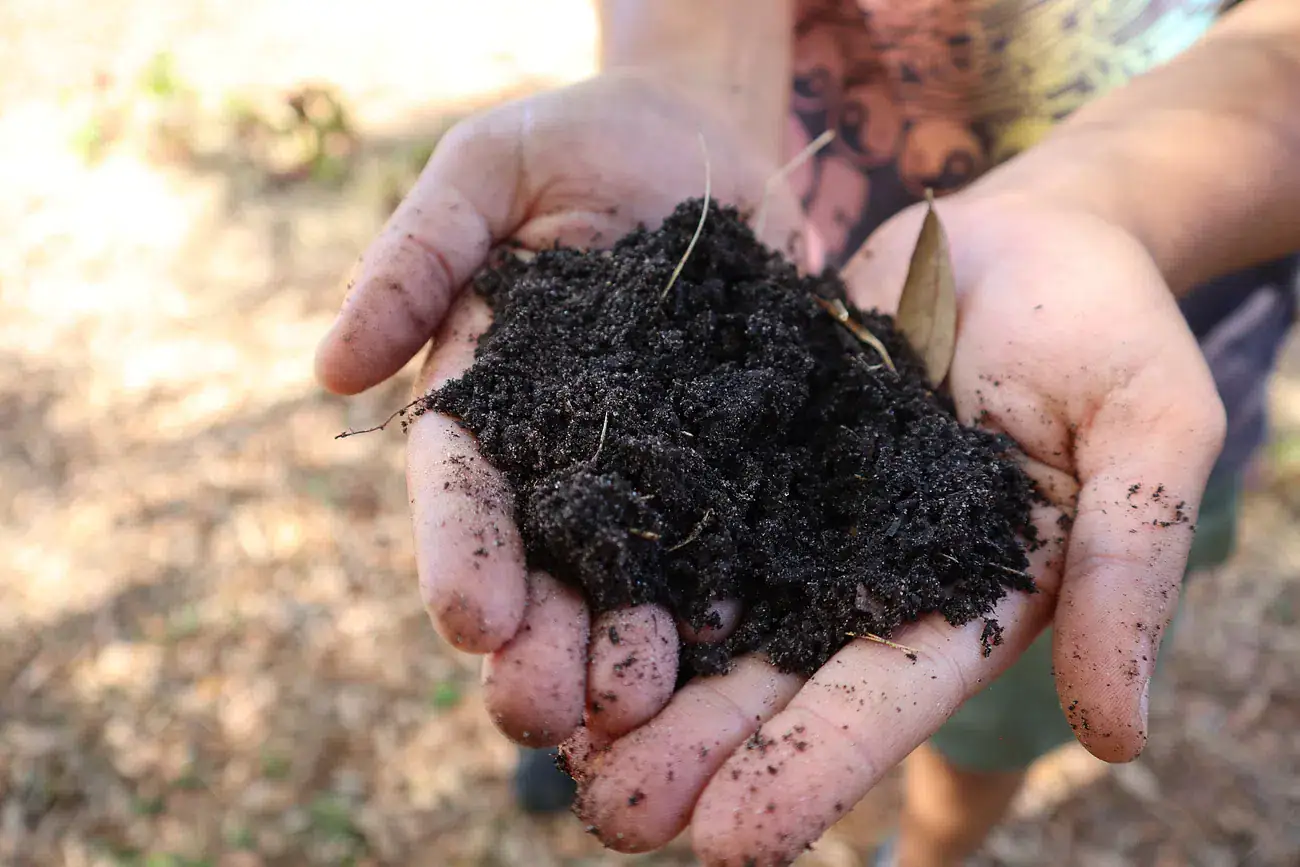
Healthy soil is the foundation of any productive garden. Many mistakes stem from ignoring soil needs.
Skipping Soil Testing: Never assume your garden soil has the right nutrients or pH. A simple soil test (available from agricultural labs or universities) tells you soil type, pH, and nutrient levels. This guides you in adding the correct fertiliser. The ideal pH for most vegetables is around 6.5 (range 6.0–7.2). For example, if soil is too acidic or alkaline, certain nutrients become unavailable to plants. A soil test lets you fix pH and nutrient deficiencies before planting, instead of guessing.
Using Low-Quality or Compacted Soil: Some beginners fill beds with subsoil or heavy clay, which drains poorly. Compacted soil has less air space, so roots struggle to grow and take up water. This can cause stunted plants and waterlogged roots. To avoid this, mix in quality topsoil or garden mix if your bed is heavy soil. Adding sand or organic amendments will break up clay. Good soil should feel crumbly, not cement-like.
Not Adding Organic Matter or Compost: Rich organic matter is essential. Unlike synthetic fertilisers, compost and manure improve soil structure and biology. For example, adding well-rotted compost increases the soil’s nutrient- and water-holding capacity. It also feeds beneficial microbes. Beginners often neglect composting. Aim to mix a 5–10 cm layer of good compost or leaf mould into your garden soil. This helps sandy soils hold moisture and loosens heavy clay. Eco Agri offers organic fertiliser products (e.g. cow-dung pellets) that enrich Sri Lankan soils naturally.
Overwatering or Underwatering Plants
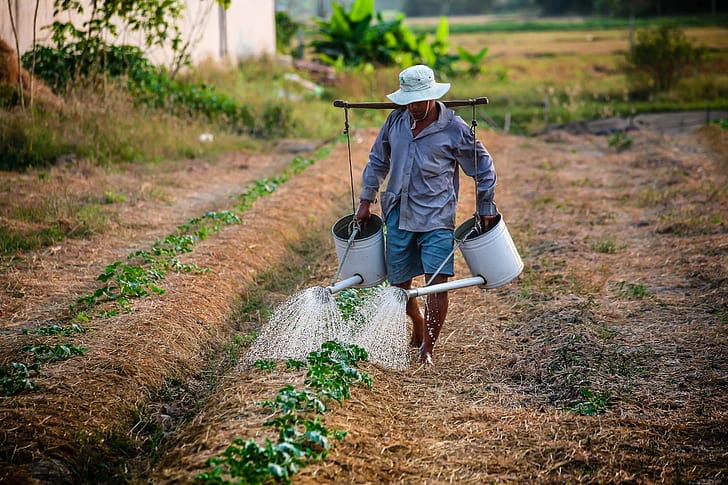
Beginners often struggle with watering – either too much or too little. Both hurt plants.
Watering on a Fixed Schedule Instead of Plant Needs: A weekly or daily routine may seem easy, but plant needs vary with weather and growth stage. In Sri Lanka, a cloudy monsoon day usually means less watering than a dry, hot afternoon. It’s better to check soil moisture than rely on a calendar. Dig about 6 inches into the soil: if it’s still moist and clings together, skip watering. If that depth is dry and dusty, give water. As one extension expert notes, a single good soaking once per week is often enough for many plants. Avoid frequent light sprinkling that only wets the top soil without reaching roots.
Poor Drainage Issues in Home Gardens: Uneven terrain or clay beds can trap water. Waterlogged soil suffocates roots and promotes disease. Test drainage by digging a 30 cm hole in your bed, filling it with water, and timing the drainage. If it stays filled after 24 hours, your soil is too compact or heavy. Improve it by mixing in coarse sand, compost or planting raised beds. Eco Agri’s compost-based soil mixtures can help increase porosity. Also, ensure you use pots with drain holes for potted or indoor planting to avoid standing water.
Signs Your Plants Are Getting Too Much or Too Little Water: It can be tricky to tell. Overwatered plants often have yellowing leaves and limp stems – ironically looking wilted, which beginners might mistake for thirst. In reality, their roots are rotting from excess moisture. Fungal pathogens like Pythium thrive in wet soil, causing root rot. Underwatered plants typically wilt with crispy, dry leaves and may perk up rapidly after watering. To prevent both problems, water deeply but infrequently and watch for symptoms. Mulching (with straw, leaves or grass clippings) also helps by slowing evaporation and preventing the soil surface from crusting.
Incorrect Plant Spacing
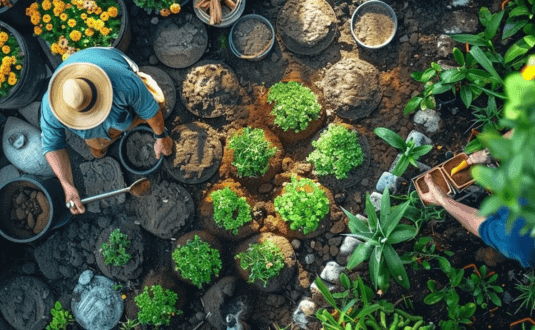
Crowding plants is a frequent error. Plants need room to grow and breathe.
Planting Too Close Together: Packing seedlings shoulder-to-shoulder seems like making the most of space, but plants need mature room. Vegetables like tomatoes, beans or lettuce should have the spacing their seed packets recommend. Research from Wisconsin notes that “proper spacing promotes good air circulation and sunlight exposure. Crowded plants will be less productive… and more susceptible to diseases”. If plants are too close, they fight for nutrients and light. Even vine crops (squash, gourds) have dwarf (“bush”) varieties; pick those if space is tight.
Lack of Air Circulation Between Plants: When foliage is dense, humidity builds up and fungal diseases spread easily. Good air flow dries dew and rain, keeping foliage healthier. If leaves constantly brush each other, prune or thin them out. For example, pinch out side shoots on tomatoes or stake climbers to create gaps. This also lets more sunlight in, which ripens fruits better. Remember: a little extra space often doubles yield quality.
How Overcrowding Affects Plant Growth: An overcrowded bed forces plants into “survival mode”. They grow tall and lanky with fewer fruits. Roots also compete below ground, weakening overall growth. Beginners often mistake spindly, overcrowded growth for a need to fertilise more – which just creates lush green leaves with no fruit. Instead, ensure rows are spaced at least 30–45 cm apart for most vegetables. Walkways between beds can help too, preventing accidental trampling and making care easier.
Ignoring Soil Nutrient Balance
Fertiliser is needed, but balance is key. Beginners often misuse fertilizers, harming plants long-term.
Overusing Chemical Fertilisers: Applying too much synthetic fertiliser (“chemical fertiliser”) is a common mistake. High doses burn young roots and lead to lush leafy growth but weak fruits. It also harms the environment (nutrient runoff into waterways). Research notes that “prolonged use of synthetic fertilisers can degrade soil health by reducing organic matter, compacting soil, and diminishing microbial activity”. This makes your soil poorer over time. Instead, use fertilisers judiciously: follow package rates or soil test recommendations. Never add more just because “some is better than none.”
Not Understanding NPK Ratios: NPK stands for nitrogen (N), phosphorus (P) and potassium (K) – the three main nutrients on any fertiliser bag. Beginners often overlook these numbers. A fertiliser with NPK 15-15-15 has equal parts of each nutrient. Leafy vegetables need more nitrogen (to grow foliage), while fruiting plants (tomatoes, chillies) benefit from extra potassium for fruiting. Using an imbalanced fertiliser can lead to deficiencies (e.g. pale leaves from low iron) or excesses. If you’re unsure, a general-purpose balanced fertiliser or compost is safe until you learn more.
Benefits of Natural and Organic Fertilisers: Organic fertilisers (compost, manure, biofertilizer) release nutrients slowly and improve soil. Unlike quick-release chemicals, they feed plants steadily and enrich soil life. For example, fish emulsion or cow-dung pellets provide a broad mix of nutrients plus trace minerals. These products also help form soil aggregates and boost beneficial microbes. Using organic fertilisers helps soil retain moisture and nutrients; after rain they don’t just wash away. Organic soil additives, like Eco Agri’s compost pellets or “Eco Max” products, provide gentle, long-lasting nutrition. They improve soil structure and microbial health. For young vegetable beds, a layer of well-rotted compost or organic pellet fertiliser before planting can work wonders. (Eco Agri sells organic fertilisers specially formulated for Sri Lankan home gardens.)
Neglecting Pest and Disease Control

It’s easy to ignore bugs and diseases until they explode. However, early action keeps a garden healthy.
Not Identifying Early Signs of Pests: Regularly inspect your plants – check under leaves and on stems. Common Sri Lankan garden pests include aphids on chilli and tomato, caterpillars on cabbage and beans, and mealybugs on houseplants. Early infestations (small clusters of whiteflies, sticky honeydew, tiny holes in leaves) are easier to manage. If ignored, pests multiply fast. Keep photos or reference guides handy to quickly identify issues (e.g. white powdery mildew, rust spots, yellowing leaves). Catching problems early prevents large outbreaks.
Using the Wrong Pest Control Methods: Novices often reach for strong pesticides first. A mistake is using broad-spectrum chemicals that kill both pests and helpful insects. For instance, spraying a lawn insecticide might wipe out ladybirds and lacewings that naturally eat aphids. Instead, focus on targeted methods. Hand-pick visible insects. Use barriers like nets or collars against cutworms or snails. Remove heavily infested leaves before infestations spread. Avoid sprays that harm predators (like spiders and bees).
Natural Pest Control Solutions for Beginners: Organic gardeners in Sri Lanka successfully use simple, safe remedies. Neem oil or soap sprays can control soft insects (aphids, mites) without poisons. Chilli- and garlic-based sprays deter many pests. Bacillus thuringiensis (Bt) is a bio-pesticide that only targets caterpillars. Encourage beneficial insects: plant marigolds or coriander near your veggies (they attract predatory wasps and hoverflies). As one extension guide notes, natural products (biopesticides) are “generally less toxic to non-target organisms” and work best as part of an integrated pest management (IPM) plan. For example, Eco Agri sells OMRI-listed organic pest controls and bio-bases products for home gardens. Using such methods helps control pests while keeping the garden’s ecosystem in balance.
Lack of Proper Pruning and Maintenance

Regular pruning and care shape healthy plants. Beginners often skip it from fear or neglect.
Fear of Pruning Plants: Many new gardeners worry that pruning will “kill” the plant. In fact, proper pruning is beneficial. For fruiting plants like tomatoes or curry leaves, pinching off suckers and old branches directs energy into fruit and new growth. Removing dead or yellow leaves improves air flow. Thinning overgrown shoots helps more light reach inner leaves. As a rule, remove any obviously dead or diseased wood first. Pruning at the right time (usually early in the growing season for annuals, or after fruiting for perennials) encourages bushier, stronger plants.
Using Unclean or Incorrect Tools: Using the wrong tool (like dull scissors) can tear plants instead of making clean cuts, inviting disease. Even more importantly, pruning tools can spread pathogens if not sanitized. After cutting an infected leaf, the clippers may carry fungal spores or bacteria to healthy plants. Make it a habit to clean and disinfect tools (e.g. with alcohol) between plants or beds. Always use sharp, sturdy shears or scissors intended for gardening. Wearing gloves can also protect you from irritant sap or thorns.
When and How to Prune Correctly: Learn each plant’s needs. For example, pinch off the top of bean vines after they flower to encourage more side shoots (for more beans). Trim back amaryllis stalks after flowering to help them bloom next year. Clean up any fallen leaves or fruit from the ground – these can harbor pests and diseases. Use proper technique: cut just above a node (bud) at a slight angle. If in doubt, prune conservatively; you can always cut more next time. Over-pruning (taking off more than one-third at once) can stress a plant. When done correctly, pruning keeps plants within their space and promotes healthier harvests.
Poor Garden Planning and Layout
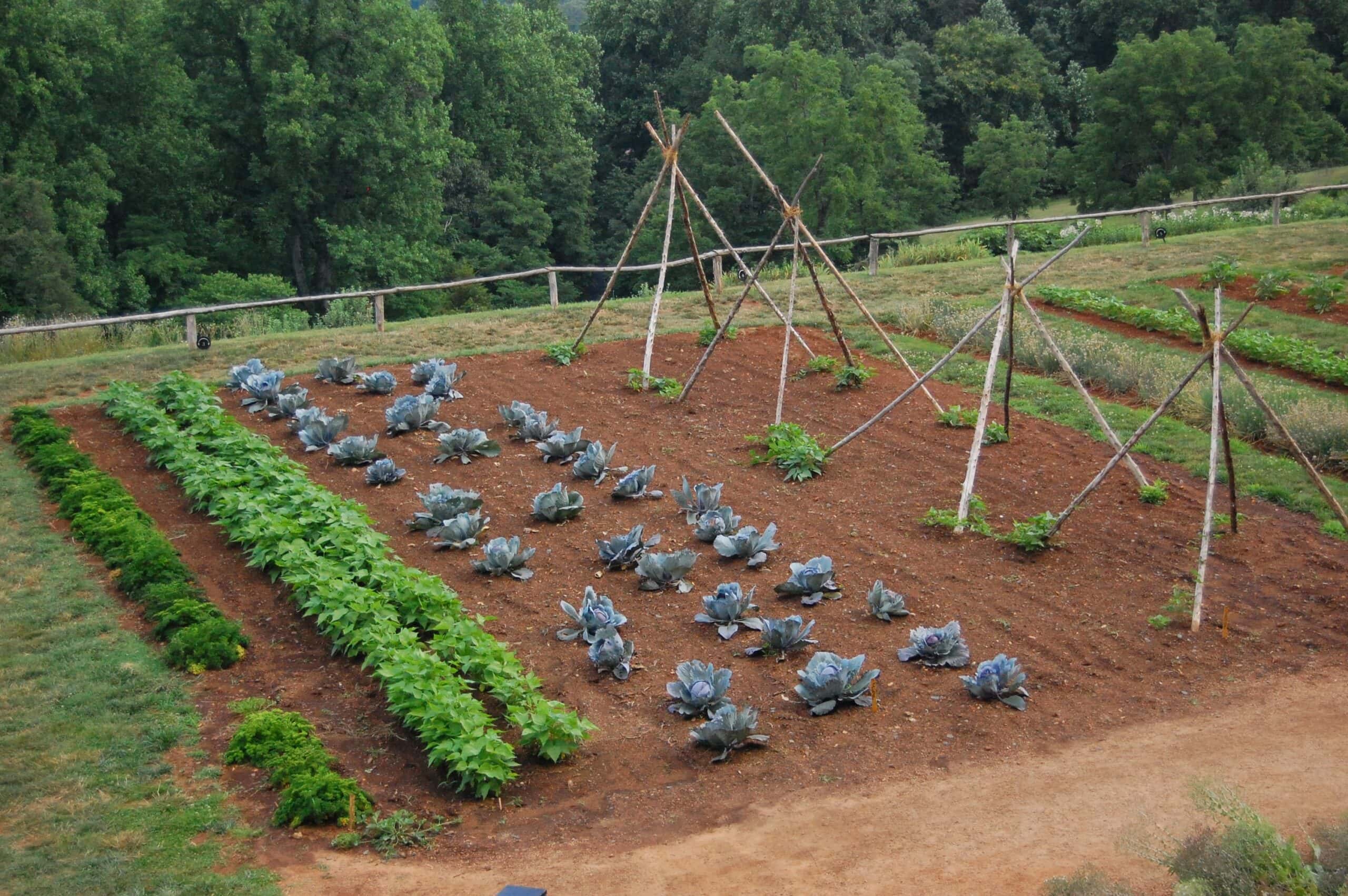
Winged gardening (planting on the spur of the moment) often leads to problems. A little planning goes a long way.
Not Planning Garden Space in Advance: Before planting, map your garden. Decide where each crop will go considering its mature size. A garden full of excited weeds can become a tangled mess if you jam every plant in one corner. For example, leafy plants (lettuce, spinach) only grow a little, but squash and maize become large. Plan enough space for tall plants (corn, cassava) so they don’t shade smaller ones. The Wisconsin guide advises: “Research how large your selected vegetables will grow, and plan enough garden space so that they are not crowded”. Even small balconies benefit from this: consider container gardens laid out with tall plants at the back.
Mixing Incompatible Plants: Certain plants do not coexist well. Some release natural chemicals (allelopathy) that stunt neighbors. A classic Sri Lankan example: growing chili (a nightshade) right next to potato or tomato can worsen blight disease risk (they share pathogens). Another: tumeric or ginger hates being crowded by other heavy feeders. Also avoid planting two vegetables that attract the same pests in the same spot year after year. For instance, planting potatoes and eggplants together can encourage root-knot nematodes. In general, space out heavy feeders and rotate families yearly. According to gardening guides, “plants with a similar root system… may compete for water and nutrients” and some trees (like black walnut) release juglone that can kill tomatoes. Plan companions wisely: e.g. beans and corn are classic partners, but avoid planting onions right beside beans (onions can stunt beans).
Forgetting About Plant Growth Size: Seeds and seedlings look tiny, and beginners often forget how large they will get. A tiny chilli seedling becomes a meter-wide bush; a small amaranth plant can reach 1.5 m. Always read seed packet or label for the expected height/width. Plan paths and supports accordingly. If growing indoors or in pots (“indoor planting”), use appropriately sized containers and ensure a 2–3 cm top-space for watering. Otherwise, a tomato planted too close to a wall may grow roots into the wall foundation or starve for nutrients. Remember: over-ambitious gardens are fun to imagine but often end up overcrowded, shaded, or tangled.
Expecting Instant Results
Gardening requires patience. A common beginner mindset is expecting quick payoff, which leads to frustration.
Lack of Patience in Gardening: Plants follow their own timetable. A fast-growing vegetable (radishes) can mature in 4–6 weeks, but tomatoes usually take 3–4 months from seed to first ripe fruit. Beginners sometimes harvest too early or give up too soon. For example, a young cucumber vine may look bare in two weeks – but with care it will vine vigorously by week 4. Remember that germination, flowering and fruiting have their own schedules. Check seed packets for days to maturity, and trust the process. If nothing has sprouted after a month, re-evaluate (maybe seeds were old or soil too cold), but don’t panic after just a week.
Comparing Your Garden to Others: It’s easy to see a neighbor’s lush garden and feel discouraged. However, each yard has unique microclimates (shade from a building, wind patterns, soil history). Rather than making direct comparisons, focus on steady improvement of your own plot. Gardening is as much a learning journey as a competition. If one garden’s tomatoes are double your height, perhaps they get more sun or use different soil. Try to learn from each other (exchange seeds or advice), but don’t be demotivated by differences.
Understanding the Natural Plant Growth Cycle: Seasonal cycles play a role too. A monsoon downpour might pause growth briefly, and in dry spells, plants often slow development. Knowing this can temper expectations. For example, citrus fruits take 6–9 months to develop – the fruit you see now likely started in a previous season. By understanding that gardens follow seasonal rhythms (growth bursts in rains, slower in dry heat), you’ll be less likely to overreact (for instance, fertilising again when plants are just naturally dormant). Accept that a bountiful harvest often comes after consistent care over months.
Not Learning from Mistakes
Even experienced gardeners keep notes and learn every season. Beginners often repeat errors unnecessarily.
Repeating the Same Gardening Errors: It’s common to see the same problem year after year (e.g. “I planted too deep again,” or “forgetting to tag varieties”). Each mistake is a lesson. If a tomato crop failed last year from blight, try a different location or variety this year. If beans never came up, purchase new seeds or change your sowing date. Avoid blaming fate or talking about the weather as an excuse; instead, ask “what can I change next time?”
Not Keeping a Gardening Journal: One effective habit is to jot down a brief journal: planting dates, weather notes, varieties used, fertiliser applied, pest outbreaks and yields. Many Sri Lankan home gardeners find this invaluable, especially given our two-season system. For example, note when the first heavy rains came or which plants flowered first. In subsequent years, you can refer back: “Last year mango pests arrived mid-May.” A journal helps you spot patterns. It can be as simple as a notebook or even photos on a phone with captions.
How Observation Improves Gardening Skills: Good gardeners are observers. Take time each week to walk your garden – look at plants, soil, and wildlife. You might notice an ant trail leading to young fruit (early weevil attack) or a yellowing in the corner bed (nutrient deficiency). Each observation is data. Over time, this builds skill: you learn that wilted basil in late afternoon might revive by evening after monsoon, or that yellowing tuberose leaves mean too much water. The more you practice this watching and recording, the fewer surprises you’ll face. Patience and observation turn gardening into a continuous learning cycle.
Conclusion
Starting a garden is immensely rewarding, but beginners should avoid the pitfalls above. By choosing appropriate crops, preparing soil carefully, watering wisely, and paying attention to spacing, fertiliser use, pests and pruning, even a novice can grow a thriving garden. Remember to be patient, learn from each season, and adapt based on what works. Many of these solutions involve organic methods – for instance, using organic fertiliser for vegetables and organic liquid fertiliser (like compost tea) to feed plants gently.
At Eco Agri Solutions, we specialise in products that help home gardeners apply these best practices. Our organic compost, cow-dung and chicken-manure pellets, and biocontrol agents are designed for Sri Lankan gardens. If you have questions or need customised advice, request a quote from our experts. They can recommend the right Eco Agri products and planting schedule for your plot. With knowledge and good inputs, your home garden can flourish – resulting in those bountiful harvests (see image above) and a healthy environment.
Enjoy gardening this season – and grow wisely!

Get the FREE Sri Lanka Planting Calendar 2026
Month-by-month guide. Yala/Maha seasons. Wet, dry & hill country crops. Delivered to your inbox.