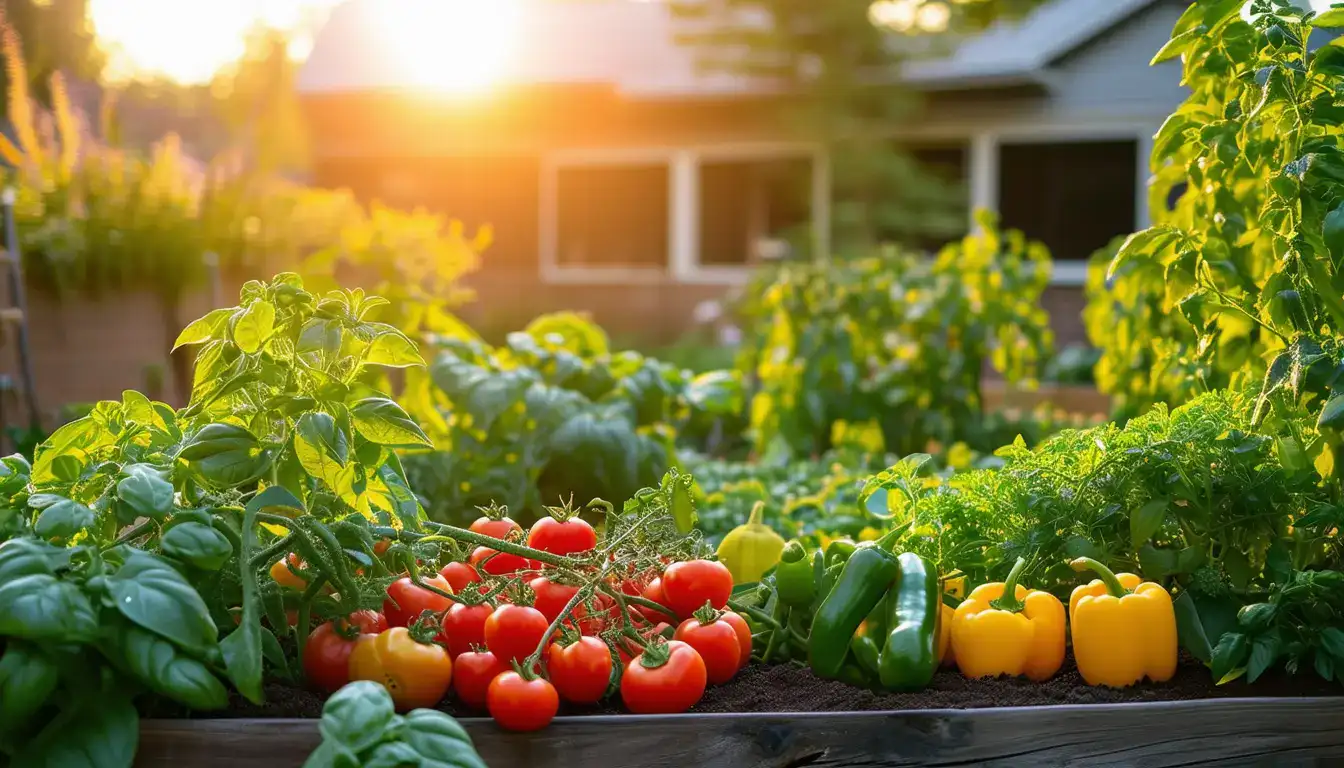

Gardening can seem daunting when time is scarce, but even a small home garden can thrive with smart, low-effort design. Busy people in Sri Lanka often juggle work and family commitments, yet want a green space or some fresh home-grown veggies. In fact, spending just a little time with plants can yield big benefits – research shows that gardening reduces stress and anxiety. With the right planning, busy gardeners can enjoy a beautiful, productive garden without daily chores. In this guide we share practical tips and plant choices that save time and water, so you can get gardening rewards with minimal upkeep.
Why Low-Maintenance Gardening Is Perfect for Busy People
Benefits of a Low-Maintenance Home Garden
Low-maintenance gardening means choosing plants and methods that save time and energy. A well-designed garden can improve health, nutrition and even community wellbeing. Growing your own vegetables and fruits boosts dietary diversity and food security – a key concern in Sri Lanka.
A simple home garden also connects you with nature; even caring for one or two potted herbs can improve mood and sense of achievement. Plus, you consume fewer chemicals and calories when you pick fresh produce yourself. Eco Agri Solutions PVT LTD’s organic fertilizers and composts (like Eco Max Lusty) can enrich your soil naturally, so plants grow faster with less watering and feeding.
How Much Time Can You Really Save With Smart Gardening?
Smart garden design can slash hours of work each week. Techniques like mulching and raised beds greatly reduce weeding and watering. For example, using organic mulch conserves moisture and suppresses weeds, so you water and weed far less. Planting in raised beds also cuts maintenance: plants shade out weeds, and you can tend beds without bending over.
Simple irrigation (like drip lines) delivers water right to roots, reducing waste and effort. By investing an hour on efficient layout and soil preparation now, busy gardeners in Sri Lanka can save many more hours later. The payoff is a pretty garden that almost tends itself, leaving you free to enjoy the harvest and relaxation.
Planning a Low-Maintenance Garden the Smart Way
Choosing the Right Location for Minimal Upkeep
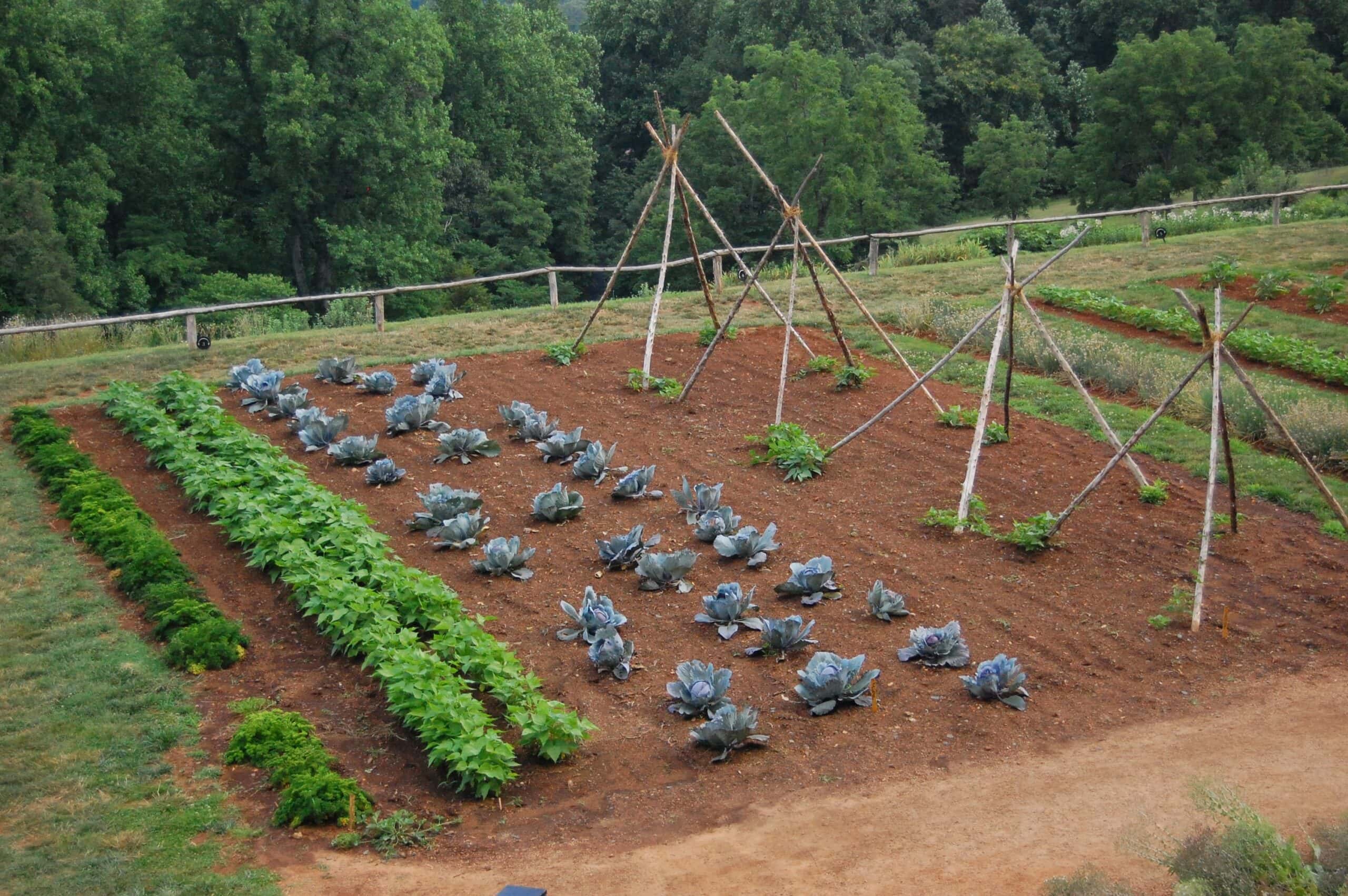
Select a garden spot with good sunlight and shelter. In Sri Lanka’s tropical climate, a location that gets morning sun but is shaded during the hottest afternoon can protect plants from scorching heat.
Ensure the spot drains well – waterlogged soil invites pests and extra maintenance. If space is limited (like on a balcony or small yard), choose containers or raised beds near a water source to ease watering. Group plants with similar needs together (sun, shade or water) so you can care for them all at once. Good layout planning upfront means you spend less time re-arranging plants later.
Designing a Garden That Requires Less Water and Care
Water-saving design is key in hot climates. Use raised beds or containers with quality soil mixes that retain moisture. Incorporate features like self-watering containers or drip irrigation to automate watering. Drip systems are very efficient – studies show they can cut water use by half compared to sprinklers.
Choose hardy groundcovers or mulches to keep soil cool and moist. For instance, a 3-5 cm layer of organic mulch over beds conserves moisture and cuts weeds. Orient plants so taller ones shade shorter ones that prefer partial sun, reducing watering needs. Rainwater harvesting (e.g. barrels) is another simple method to save time and money while keeping plants hydrated.
Small Garden Layout Ideas for Busy Homeowners
Even a tiny urban yard or balcony can become productive. Think vertical and container gardens: hang pots or use trellises for climbers like beans, cucumbers or passionfruit. Stackable planters and tiered shelves multiply planting area. Narrow raised beds along fences or walls make efficient use of space.
Grouping pots on wheels allows you to move them to sheltered spots in bad weather. Indoor planting is also a low-maintenance option – herbs or leafy greens in pots on a sunny window sill need little care. For each plant, stick to the “right plant, right place” rule to ensure it thrives with minimal fuss.
Best Low-Maintenance Plants for Home Gardens
Easy-Care Outdoor Plants That Thrive With Less Attention
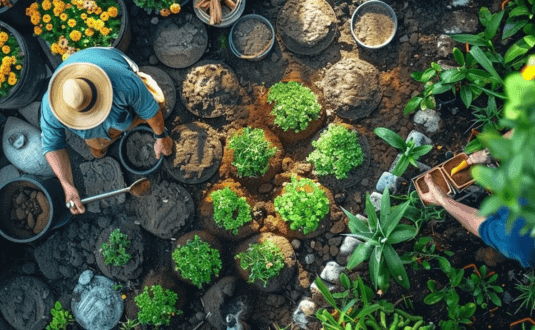
Choose plants known to do well in Sri Lanka’s climate. Drought-tolerant perennials and shrubs like Moringa (miracle tree), ornamental natives (e.g. bougainvillea or hibiscus), and hardy grasses often require only occasional watering once established. Vegetables like okra, amaranth, sweet potato and drumstick (Moringa) are both nutritious and forgiving if you miss an occasional watering.
Many local leafy greens (e.g. gotukola, Lankan spinach) regrow well after harvest and manage in part shade. Low-maintenance flowering plants include periwinkles (Catharanthus), portulaca and marigold – they bloom with little care and can spread to fill gaps (helping to suppress weeds). Research on tropical groundcovers suggests species like Aloe, Sedum and Alternanthera tolerate heat and drought, making them ideal for small, busy gardens. These plants add colour and structure without constant attention.
Low-Maintenance Indoor Plants for Busy Lifestyles
Indoor plants improve air quality and mood, and many houseplants need very little care. Best bets include snake plants (Sansevieria), ZZ plants, pothos, spider plants and peace lilies – these do well in low light and only need watering once every few weeks. Succulents and cacti are also easy options if you get some sun on a window ledge. Group multiple pots together on a tray or self-watering planter to make watering faster (some planters have reservoirs that feed water to all pots). Use a good quality indoor potting mix and a dash of slow-release organic fertilizer or a milder liquid organic feed to keep growth steady. Indoors, avoid overwatering (a common mistake) by only watering when the topsoil is dry. Even if your schedule is tight, a few minutes of care once a week is enough for an indoor jungle to flourish.
Drought-Tolerant Plants That Reduce Watering Time
Plants adapted to dry conditions let you water infrequently. In Sri Lanka’s heat, succulents (e.g. aloes, euphorbias) and ornamental grasses (like Pennisetum or fountain grass) can survive with very little irrigation. Many shrubs (e.g. oleander, plumbago, daisy) also cope well with dryness. Native species and long roots help plants endure dry spells. Groundcovers such as lantana, purslane or clumping sedum can carpet garden beds, reducing exposed soil and thereby evaporation. Choosing these species means your watering schedule can often skip a week or two without harm, which is perfect when work or travel demands your time.
Time-Saving Gardening Techniques You Should Use
Mulching Tips to Reduce Weeding and Watering
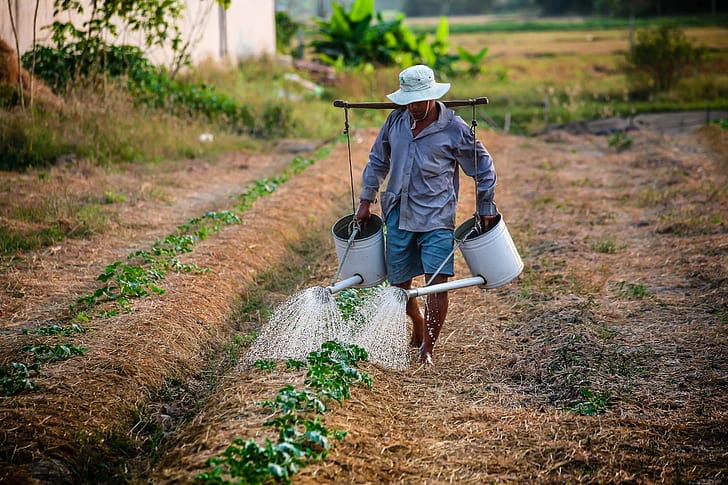
Mulch is a gardener’s best friend for busy schedules. A 5-8 cm layer of organic mulch (coconut husk chips, dry leaves, or grass clippings) over soil does wonders. It conserves moisture by slowing evaporation and suppresses weeds by blocking light. One spring application often lasts all year as it breaks down gradually, improving soil structure. In Sri Lanka, local materials like rice straw or cocoa husk mulch are cheap and effective.
Mulch also moderates soil temperature, preventing roots from heating up in midday sun. A quick annual mulch refresh (around the base of plants) can save hours of monthly weeding and frequent watering. Fewer weeds means fewer pesky chores for a busy gardener.
Using Raised Beds to Simplify Garden Maintenance
Raised beds are a brilliant time-saver. They let you control soil quality from the start (adding compost and fertilizers easily), improving drainage in rainy seasons. High soil means plants grow in less compacted, richer medium, boosting yields. Importantly, raised beds dramatically cut weeding: plants are grown densely, shading out weeds. The contained bed design also lets you use barrier cloth or gravel underneath to block grass and weeds from below. Plus, you don’t have to kneel or bend over as far, making quick maintenance tasks (planting, weeding, harvesting) faster and easier. For busy Sri Lankans, a few raised beds can allow intensive planting in a small footprint, giving plenty of veggies or flowers for minimal effort.
How Container Gardening Saves Time and Space
Container gardening is inherently low-maintenance. You can move containers to the best light, protect them from heavy rain, or rearrange them as needed. With containers, plants have limited soil, which means they use less water overall and you can readily see when they need feeding or watering. Containers also remove a lot of weeds and pests, since the soil is fresh and often replaced each season. Using self-watering pots or adding water-retentive soils (coco peat mixes) allows you to step away for longer: these systems store moisture for days or weeks. Stackable pots or wall-planters multiply harvest from small patios or balconies. In sum, containers concentrate your care (water and fertilizer go directly to target plants) and eliminate most extra chores, ideal for those short on time.
Smart Watering Solutions for Busy Gardeners
Drip Irrigation Systems for Low-Maintenance Gardens
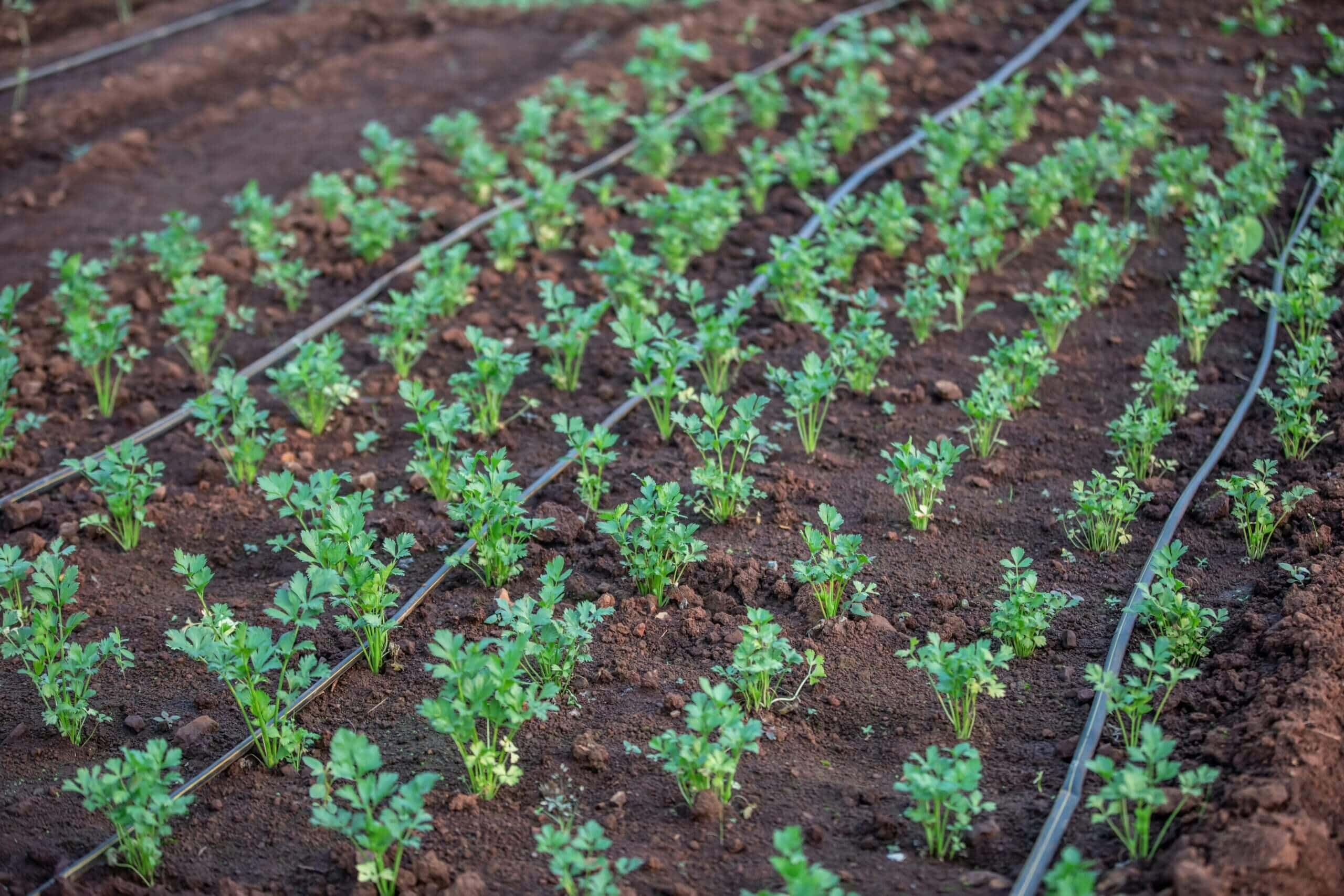
For a watering schedule that literally runs itself, drip irrigation is a game-changer. These systems deliver water at low pressure directly to plant roots, cutting losses from evaporation or runoff. Drip emitters or soaker hoses can be hooked up to a timer, so plants get watered even if you are away. Studies show drip irrigation can halve water use compared to surface watering. This also means spending far less time dragging hoses or carrying watering cans.
In Sri Lankan gardens, drip lines under mulch keep soil moist and weeds dry (since water doesn’t mist everywhere). Though there’s an upfront cost, the time and water saved make drip systems a smart choice for hassle-free gardening.
Self-Watering Pots and Planters Explained
Self-watering containers are mini reservoirs that keep plants happy for days. They typically have a water chamber at the bottom that wicks moisture up into the soil as needed. This design conserves water and nutrients, allowing you to “set and forget” your pots for a while. A University of Maryland extension notes that self-watering containers let you ignore plants for a few days without damage, ideal for busy schedules. They also protect roots from drying out in hot Sri Lankan weather. Many commercial self-watering planters exist, or you can DIY with buckets and wicking materials. Using them means you only need to refill once every 7-14 days instead of daily watering.
Watering Schedules That Work for Working Professionals
If you prefer hand-watering, set a simple routine and stick to it. Early morning watering is best to minimize evaporation losses and water stress. Group plants by their watering needs: for example, put all heavy feeders like tomatoes and peppers in one zone, so you can water them thoroughly in one session, and group drought-tolerant plants elsewhere. Mulched beds and greenhouses also slow soil drying, letting you water less often. Make use of timers or smartphone reminders so you never forget to water at critical times (especially during the dry season). Even 10-15 minutes a couple of times a week can suffice if mulching and drip systems do most of the heavy lifting for you.
Soil and Fertilising Tips That Reduce Ongoing Effort
Choosing the Right Soil Mix for Long-Lasting Results
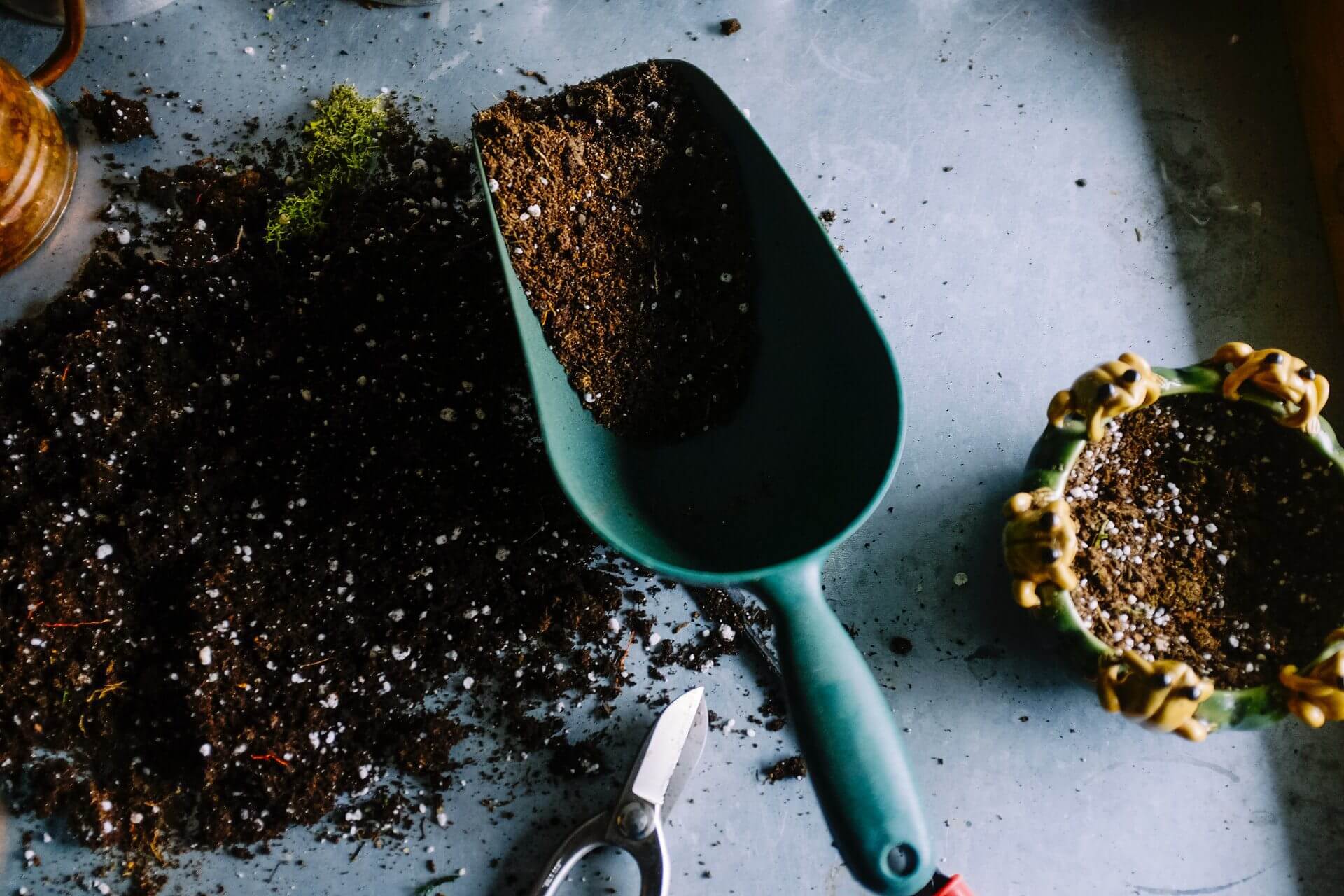
Good soil is the foundation of a low-maintenance garden. A mix rich in organic matter (compost, coco coir, composted manure) retains moisture and feeds plants steadily. Using well-drained soil avoids waterlogging, which can cause root rot and extra pest problems.
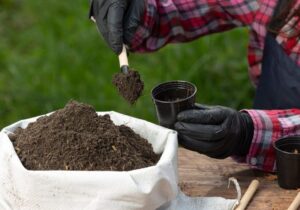
Consider starting with a balanced growing medium like compost-enriched potting mix or Eco Agri’s cocopeat blocks, which offer excellent aeration and moisture retention. Once your beds or pots are filled with quality soil, you often only need occasional top-ups of organic matter. A well-prepared bed might need little more than weekly check-ins, as plants get a steady nutrient supply.
Slow-Release Fertilisers for Minimal Garden Care
Slow-release or organic fertilisers are great for busy gardeners. Instead of frequent feeding, these products release nutrients over weeks or months. For example, Ecoagri’s slow-release compost pellets (Eco Max Lusty) can feed plants gradually so you don’t need to fertilise weekly. This steady nutrition means plants keep growing steadily without bursts that attract pests. Studies show slow-release fertilisers reduce labour because they eliminate many applications while still giving plants what they need. An organic pellet also improves soil structure as it decomposes. By adding a handful at planting time, or in spring, you can trust the garden to take it from there with minimal extra effort.
Composting Basics for Busy Homeowners
Composting kitchen scraps and garden waste is an easy way to create free fertiliser and reduce rubbish. Even a small compost bin or worm farm can process vegetable peelings, coffee grounds and dry leaves. As it breaks down, it produces rich humus that you can work into beds or mix in pots. A simple tip: keep two bins or trays so you always have one cooking and one to collect. Though composting takes space and effort to turn, you can keep it low-maintenance by layering materials (greens and browns) and covering it to prevent rodents. At worst, composting a little takes just a few minutes a week, and the result is superior organic fertilizer for your garden.
Low-Maintenance Lawn and Ground Cover Alternatives
Ground Covers That Replace Traditional Lawns
Lawns require constant mowing and watering. Consider replacing lawn areas with hardy groundcover plants or hardscaping. Low-growing plants like clover, creeping thyme or sukka bara (Ceylon ivy) form mats that withstand light foot traffic and choke out weeds. Many groundcovers need only occasional watering and never need mowing. According to gardening experts, swapping grass for low-water groundcovers can cut outdoor water use dramatically while adding colour and biodiversity. For instance, clover or mini clover lawns use far less water than grass and even improve soil nitrogen. In a Sri Lankan home, choosing native groundcovers can also create habitat for bees and butterflies while looking neat without mowing.
Artificial Grass vs Natural Low-Care Lawn Options
If you want a lawn look without the work, artificial turf is a zero-maintenance option (though it has an upfront cost). It never needs water or mowing, but it doesn’t cool the air like real plants do. A middle ground is to plant drought-tolerant grasses or sedges (like Bermuda grass or krypsis) in a thin lawn area.
These varieties need much less irrigation and handle foot traffic. For very small areas, a combination of stepping-stone paths and mulch or groundcover plants can eliminate the lawn entirely. Every square metre you replace saves hours of mowing and irrigation yearly – a time-saving strategy for busy homeowners.
Gravel and Mulch Landscaping for Easy Maintenance
Another no-grass approach is using gravel, bark or stone pathways between beds, and growing plants in islands or containers. Gravel and bark cover soil to stop weeds and reduce evaporation. In Sri Lanka’s wet season, good drainage must be ensured under stone mulch to avoid water pooling, but well-laid gravel gardens require almost no upkeep.
Combine these hard surfaces with clusters of big-leafed plants (like aglaonema or anthurium) that hide the ground and make the space lush. This style of landscaping can look very modern while being extremely low-care: just the occasional weeding in cracks or topping up mulch.
Common Gardening Mistakes Busy People Should Avoid
Overwatering and Overplanting Mistakes
A common error is giving plants too much water or crowding them too closely. In Sri Lanka’s humidity, excess water can drown roots and invite disease. Water only when plants truly need it (check soil moisture first). Likewise, planting too many plants can mean less airflow and more disease problems. For busy gardeners, sticking to the adage “one plant per pot” or proper spacing in beds means fewer sick plants. Less is more – a smaller number of healthy plants will flourish with minimal care, rather than an overcrowded garden that fights for resources.
Choosing High-Maintenance Plants Without Realising
Beware of impulse buys. Some beautiful plants (tropical ferns, orchids, roses) may look attractive but require constant pampering (pruning, fertilizers, delicate conditions). Instead, do a bit of research: pick plants labelled “drought tolerant” or “easy care”. Many nursery tags or Sri Lankan agricultural guides will note if a plant is suited to home gardens. Native species are often safer choices since they evolved for local conditions. Picking the right plants from the start saves time – avoid high-maintenance exotics or water-loving varieties if you know you won’t have time to coddle them.
Ignoring Seasonal Maintenance Tasks
Even low-maintenance gardens need occasional seasonal attention. For example, before the monsoon you should clear dead foliage to prevent rot. In dry spells, a quick soak or check of irrigation saves plants. Ignoring seasonal cues can turn simple fixes into bigger problems. It’s wise to set a quarterly reminder: e.g. in spring, prune and re-mulch; in early summer, prepare for heavy rains; in winter, trim fast-growing vines and clean up debris. A small seasonal check (sometimes just 15-30 minutes) can prevent major work later. Busy gardeners who set these quick tasks on a calendar avoid accumulating chores.
Seasonal Low-Maintenance Gardening Tips
Easy Spring Gardening Tasks for Busy People
In spring, focus on prep work. Add compost and slow-release fertilizer to beds to kickstart growth. Lay down a fresh layer of mulch (coconut coir or compost works well) to suppress early weeds. Divide any crowded perennials or move plants to better spots. Trim dead branches from shrubs.
Plant any new seedlings or seeds now that the worst of cool weather has passed. These tasks only take a few days in total but set you up for an easy season. With mulch in place and soil enriched, you’ll need to weed and water much less all summer.
Summer Garden Care That Takes Less Than 30 Minutes a Week
Summer heat requires attention to watering. Water deeply but infrequently – once or twice a week with a drip or hose in the morning is usually enough if you mulched well. Inspect plants for pests (e.g. snails or aphids) for just 5 minutes weekly; catching issues early avoids big problems.
Harvest vegetables regularly – this is more fun than work, and keeps plants productive. If you’re really pressed, set a fixed 20-30 minute weekend slot for garden chores: water, check supports for tall plants, and remove any obvious weeds. By sticking to a short, consistent routine, the garden stays healthy without overwhelming your schedule.
Preparing a Low-Maintenance Garden for Winter
In milder climates like Sri Lanka, winter is often dry and cool. This is a good time to prune back fast-growers, remove dying annuals, and clean up leaf litter to prevent fungal diseases. Maintain a light watering schedule for evergreen shrubs or indoor plants. Protect tender potted plants from occasional cold snaps (if needed, move them closer to the house). Spread compost or manure over flowerbeds to add nutrition that will release slowly into spring. Doing these small tasks before the next growing season begins means your spring setup will be even easier.
Final Tips to Maintain a Beautiful Garden With Minimal Effort
Weekly 15-Minute Garden Maintenance Checklist
Even a short weekly check can keep your garden in top shape. A good plan: spend one morning or evening a week (15-20 minutes) doing a quick rounds:
Check soil moisture and water if needed (a quick soil poke tells you a lot).
Pluck any visible weeds (they’re easier to remove young).
Walk through the garden inspecting plants – remove any yellow leaves or warn branches.
Support plants as necessary (tie tomatoes to stakes, adjust plant ties).
Empty any fallen debris from beds or pots.
This tiny routine prevents small issues from growing into big jobs. It’s like giving your garden a health check-up – and only takes as long as brewing a cup of tea.
Tools and Accessories That Save Time in Gardening
Invest in a few time-saving tools: a good quality hose with an adjustable nozzle and timer, a hand cultivator for quick weeding, and a lightweight wheelbarrow or crate for hauling compost and mulch. Planting T-bench or raised kneeler can make tending easier on the body. Self-watering planters, as mentioned, save re-watering trips. Smart gadgets like moisture sensors can alert you when plants need water. Even simple things like colour-coded watering cans (one for indoor plants, one for outdoor) keep tasks efficient. The less fumbling you do, the quicker your job.
How to Keep Your Garden Looking Great All Year Round
A low-maintenance garden can still be lush and dynamic. Choose plants with different bloom times or foliage colours to maintain interest. Mix evergreen shrubs (for structure), perennials (for dependable blooms), and annuals (for big splashes of colour when you have time to replant them).
Edging garden beds and containers tidies the look with minimal effort. Remove spent blooms (deadheading) from flowers – this often just takes a minute per pot and keeps things neat. Finally, step back occasionally: a quick visual sweep lets you catch tired plants early. With these small habits, your garden will stay beautiful without constant work.
For expert guidance or supplies, remember that Eco Agri Solutions PVT LTD offers organic fertilisers, soils and advice tailored to Sri Lankan gardeners. Contact Eco Agri to request a quote or support for creating your low-maintenance home garden.
Conclusion
Low-maintenance gardening is all about smart choices. By planning well, choosing easy-care plants, and using techniques like mulching and drip irrigation, even the busiest person can enjoy a thriving home garden. This approach not only saves time and water – it also brings the joys of gardening without the stress of constant upkeep.
Whether you want fresh vegetables on your table or a green corner to relax in after work, these tips will keep your garden simple and sustainable. Remember, a little planning now means less work later – so start small, use smart methods, and watch your garden flourish on minimal effort.
If you’re ready to get started or need expert help, request a quote from Eco Agri Solutions. Their organic products and gardening services can help transform your home space into a healthy, low-maintenance garden that fits your busy life.

Get the FREE Sri Lanka Planting Calendar 2026
Month-by-month guide. Yala/Maha seasons. Wet, dry & hill country crops. Delivered to your inbox.