
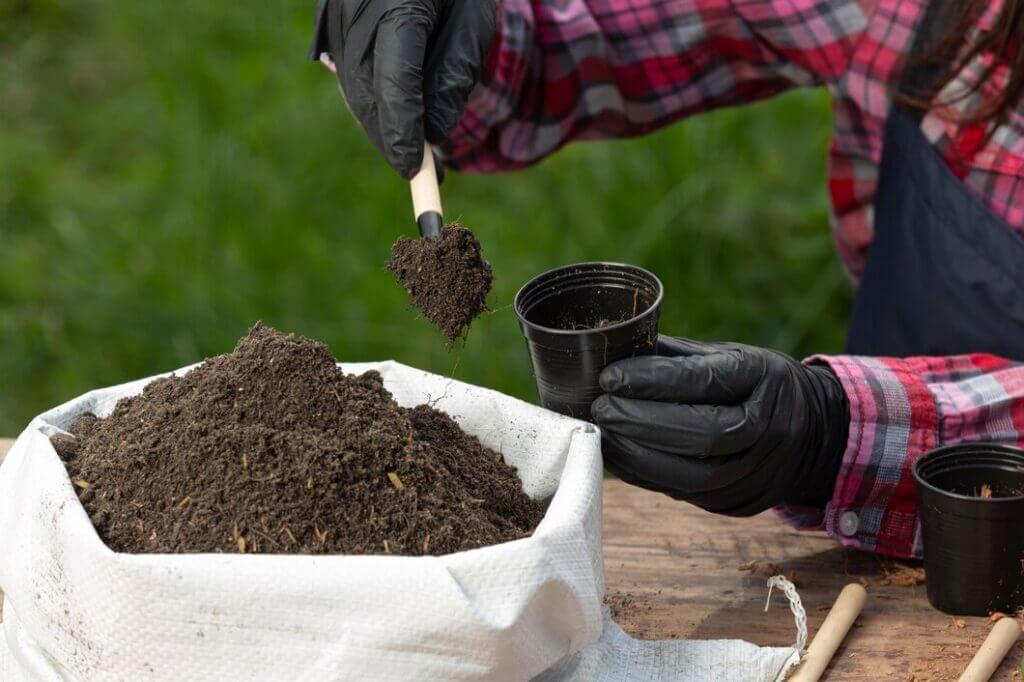
How Organic Fertiliser Boosts Soil Fertility in Sri Lanka

Healthy soil is the foundation of productive farming in Sri Lanka. Organic fertilisers are rich in natural matter and act as amendments that boost soil health and fertility over the long term. In particular, organic fertilizer benefits for soil fertility include enhanced nutrient cycling and improved soil structure through richer microbial activity.
Unlike synthetic fertilisers, organic products release nutrients slowly and feed beneficial soil organisms. For example, the US EPA finds that compost increases soil organic carbon and “benefits soil biology by improving the diversity and abundance of beneficial soil organisms”. In this post we explore how organic fertilisers improve soil fertility and microbial life, with practical guidance for Sri Lankan farmers and gardeners.
What Is Organic Fertiliser and How Does It Work?
Definition of Organic Fertiliser
Organic fertilisers come from natural materials that supply plant nutrients. They include compost, aged animal manures and plant residues, and contain no synthetic chemicals. These materials hold nutrients in complex forms that soil microbes must break down into plant-available nutrients.
For example, decomposing vegetable waste or cow dung gradually releases nitrogen, phosphorus and other nutrients into the soil. Over time, such inputs build humus and raise the soil’s organic carbon, improving soil fertility and structure.
Common examples of organic fertiliser sources include:
Plant residues: Crop stalks, leaves and kitchen scraps that decompose and return nutrients to the soil.
Animal manures: Composted cow, buffalo, goat or poultry manure, rich in nitrogen, phosphorus and trace elements.
Compost and bio-waste: Fully decomposed organic matter (yard waste, food scraps) that adds balanced nutrients and humus.
These inputs act as slow-release fertilisers and enhance the soil’s nutrient-holding capacity over time.
How Organic Fertilisers Interact with Soil
Organic fertilisers improve the soil ecosystem by:
Decomposing gradually: They break down over weeks or months, adding stable humus to the soil.
Releasing nutrients slowly: Nutrients become available over time, matching plant needs and reducing leaching losses.
Feeding soil microbes: As they decompose, they provide carbon and energy that nourish bacteria, fungi and other organisms.
Colorado State University notes that because nutrients in organic fertilisers require microbial conversion, the result is a steady, extended nutrient supply to plants. In practice, this means farmers get a reliable feed of nutrients while also improving soil structure and health.
Understanding Soil Microbial Life
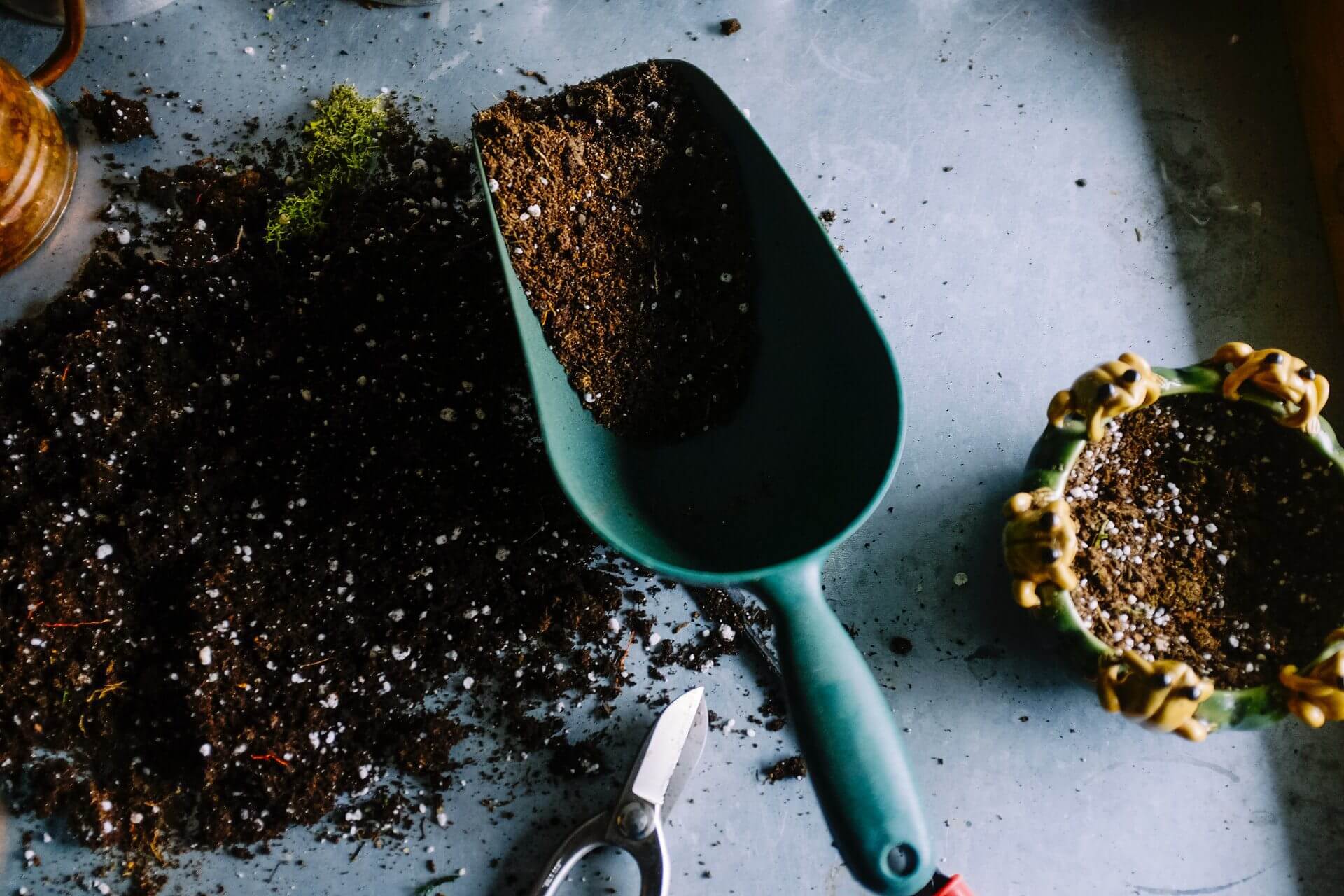
What Are Soil Microorganisms?
Soil is full of microscopic life. Billions of bacteria, fungi and other microbes live in each teaspoon of healthy soil. These organisms are the engine of fertile soil. For example, bacteria (like Rhizobium on legume roots) fix atmospheric nitrogen, while other bacteria decompose simple organics.
Fungi include decomposers that break down tough residues and mycorrhizal fungi that form symbiotic links with plant roots.
Actinomycetes (filamentous bacteria-like organisms) decompose resistant materials like chitin, giving soil its earthy scent.
Protozoa and nematodes feed on bacteria and fungi, releasing nutrients back into the soil. Together, these microbes “process soil into rich, dark, stable humus”. They form a complex soil food web that underpins plant growth.
Why Soil Microbes Are Essential for Fertility
Soil microbes are essential because they unlock nutrients and improve soil structure. As soil organisms decompose organic matter, they release nitrogen, phosphorus and other nutrients in plant-usable forms. This mineralisation process is crucial – without it, much of the nutrients in organic inputs would stay locked up.
Meanwhile, microbial by-products bind soil particles into aggregates, improving porosity and water retention. The USDA notes that soil life “cycles nutrients, builds the soil and gives it structure”. In short, a healthy microbial community recycles nutrients into the root zone and creates a crumbly, well-aerated soil, both of which are key to long-term fertility.
How Organic Fertiliser Boosts Soil Microbial Activity

The main way organic fertilisers boost soil life is by providing food and energy for microbes. Composts, manures and other organics are rich in carbon compounds that bacteria, fungi and others can consume. The EPA confirms that the organic carbon in compost “benefits soil biology by improving the diversity and abundance of beneficial soil organisms”.
In practice, adding organic matter causes microbial populations to grow and become more active. For instance, Sri Lankan trials found that soils amended with organic inputs had much higher microbial activity – especially in dry seasons, when the extra organic matter helped soil retain moisture for microbes. In essence, organic fertilisers act like a buffet for the soil food web, stimulating a thriving community of microbes.
By contrast, chemical fertilisers feed plants directly but do little to feed the soil ecosystem. IWMI researchers note that synthetic fertilisers provide a concentrated dose of nutrients, whereas organic fertilisers primarily function as soil amendments that enhance the entire agro-ecosystem.
Heavy use of chemicals can reduce microbial diversity and deplete organic matter. In one study, organic farming (with organic inputs) increased soil organic carbon and microbial activity, whereas conventional methods led to more nitrifying bacteria (driving nitrogen loss). In other words, organic amendments build a living, balanced soil, while chemicals give a short-term plant boost.
Key Benefits for Soil Microbes and Nutrient Cycling
Applying organic fertiliser enriches the microbial community and improves nutrient cycling. Key benefits include:
More beneficial bacteria and fungi: Organic amendments boost helpful microbes. For example, nitrogen-fixing bacteria (like Rhizobium) thrive in soils with organic matter, supplying natural nitrogen to crops. Phosphate-solubilizing microbes and mycorrhizal fungi also multiply under organic inputs, improving nutrient uptake. In practice, fields receiving compost or manure often show stronger root growth and nutrient availability thanks to these microbes.
Steadier nutrient supply: Nutrients are released slowly, so plants access them over time. The EPA notes that nutrients in compost are mostly slow-release forms “less prone to run off”. This keeps more nutrients in the root zone. Meanwhile, microbes continuously recycle nutrients: as they break down organic matter, they convert it to plant-available forms and quickly recycle any excess. The net result is that crops receive a more reliable diet of nutrients, with minimal losses.
Together, these effects mean that organically-treated soils hold more nutrients and have a more active food web. This leads to healthier plants and fewer inputs needed over time.
Impact of Organic Fertilisers on Soil Fertility
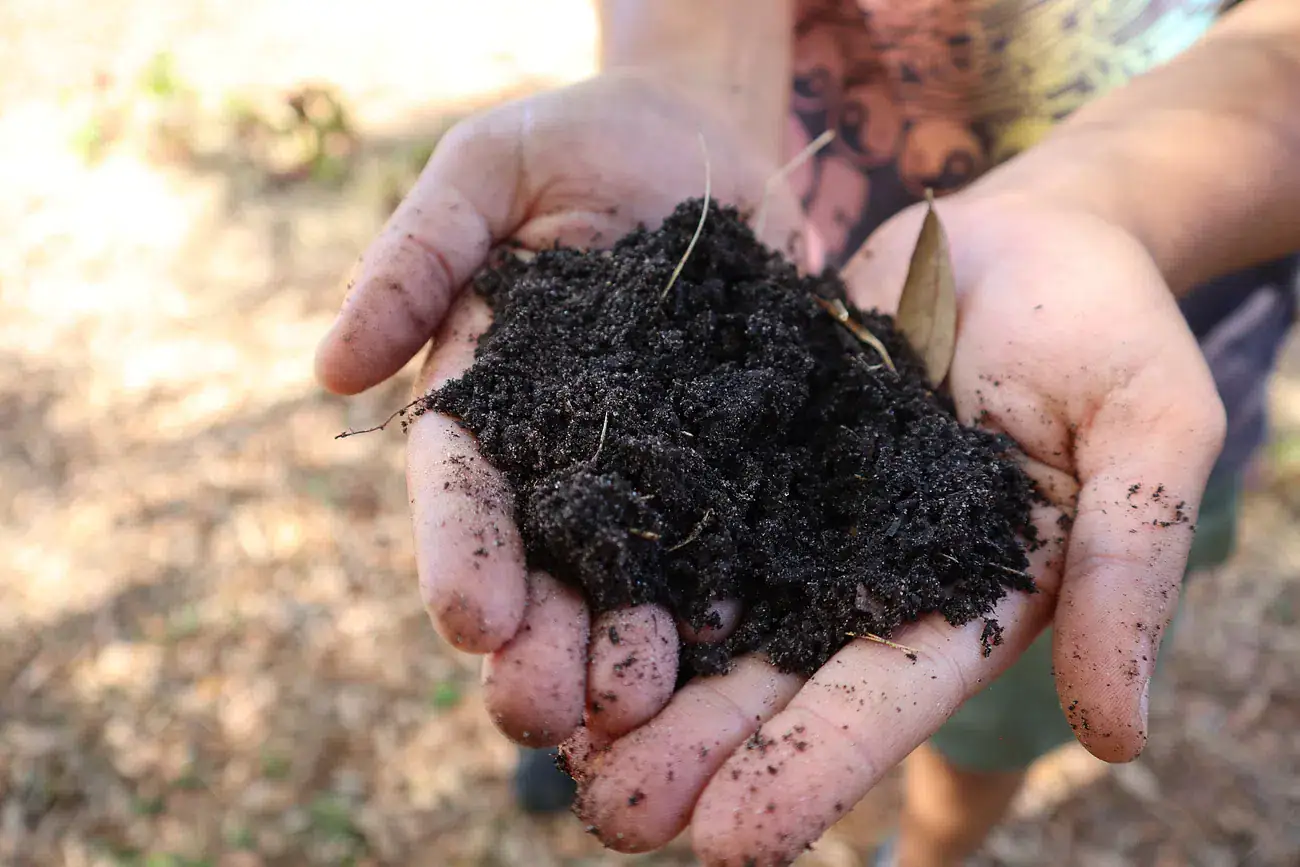
Improvement in Soil Structure
Adding organic matter significantly improves soil’s physical health. Organic amendments cause soil particles to bind into aggregates, which increases porosity and resists erosion. In practical terms, soils rich in organic matter absorb rainwater better, drain well and are easier for roots to penetrate.
For example, EPA research shows that organic matter creates stable soil aggregates that increase infiltration and water-holding capacity. This means that in Sri Lanka’s climate, organic-fertilised soils are better able to handle heavy rains without washing away, and to retain moisture during dry spells. Improved structure also reduces compaction, so roots and soil life have more space. Overall, organic inputs create crumbly, fertile soils that support robust crop growth.
Long-Term Fertility Gains
Over the long haul, organic fertilisers build up the soil’s fertility reserves. Continuous additions of organic matter raise soil organic carbon, which enhances nutrient storage (CEC) and sequesters carbon. Organic amendments also tend to buffer soil pH. For instance, compost often contains calcium and humic acids that help stabilize pH near neutral, making nutrients more available.
In practice, soils managed with organic inputs become darker and richer. Sri Lankan field trials reflect this: plots treated with compost and green manure maintained higher yields and better soil quality over several seasons. In sum, organic fertilisers lead to sustained productivity -soils remain fertile and resilient without the need for heavy chemical inputs.
Types of Organic Fertilisers Supporting Soil Life
Common organic fertilisers include:
Compost: Decomposed mix of plant waste (vegetable scraps, garden clippings, etc.). Compost is rich in humus and beneficial microbes, and provides a balanced nutrient source.
Vermicompost (Worm Castings): High-quality compost made by earthworms. Very nutrient-rich and teeming with microbial life.
Animal Manure: Composted manure from cows, buffalo, goats, poultry or other livestock. Adds nitrogen and a diversity of microbes to the soil. (Always compost manure first to kill pathogens.)
Green Manure: Cover crops (e.g. legumes, grasses) grown and then tilled under. They add fresh organic matter and, in the case of legumes, fix nitrogen from the air.
All these materials feed soil biology. For example, Sri Lankan studies found compost and green manures had the strongest positive effects on soil fertility and yields. Compost adds microbial diversity and slow-release nutrients; vermicompost supplies enzymes and soluble nutrients; manures provide nutrient-rich food for bacteria; and green manures inject live plant material that decomposes in place.
Best Practices for Organic Fertiliser Use
Apply to moist soil: Microbes need moisture. Add organic fertiliser after rain or irrigation so it can start decomposing immediately. (Trials show organic matter had its greatest benefit in dry periods by helping soil retain moisture.)
Use moderate, regular applications: Rather than a single heavy dose, apply compost or manure in stages (e.g. at planting and mid-season). This keeps feeding microbes and plants without shocking the system.
Incorporate or mulch: Work organic materials into the topsoil or cover them with mulch. This protects the fertiliser from being washed away and keeps microbes in contact with it. Mulching also moderates soil temperature and moisture for microbes.
Avoid these mistakes: do not apply raw (fresh) manure to crops – always compost it first. Don’t mix organics with strong chemicals, which can kill microbes. And don’t skip soil tests: even organic systems need occasional testing to guide optimal fertiliser application.
By following these practices, growers ensure that organic inputs break down effectively and benefit soil life.
Organic Fertiliser vs Chemical Fertiliser: Soil Health Perspective
In the short term, chemical fertilisers give quick crop responses, but their benefits on soil are shallow. They can leave soil depleted of organic matter and dependent on repeated applications. Organic fertilisers, though slower to act, build lasting fertility. As noted above, synthetic fertilisers deliver an immediate nutrient punch, whereas organic amendments create a stronger overall soil ecosystem. Environmentally, organics are more sustainable: nutrients bound in organic matter are released gradually, so there is far less runoff or pollution.
In practice, rich organic soils absorb rain better and recycle nutrients, reducing erosion and water contamination. Organic inputs thus support long-term health of the land, whereas chemicals often trade off soil health for short-term yield.
Organic Fertilisers in Sustainable Farming
Organic fertilisers are central to eco-friendly agriculture. They work with natural processes like nutrient cycling and soil regeneration. The FAO highlights that soil organisms “provide plant nutrients [and] maintain the soil structure” – functions that organic inputs strengthen. By feeding these organisms, organic farming closes the nutrient loop and preserves biodiversity on the farm.
Sri Lankan home gardeners and farmers see these benefits in their own plots. Using organic fertilizer for vegetables or fruit trees leads to healthier, more vigorous plants. For example, adding compost tea (an organic liquid fertiliser) to garden beds or potted plants gives a gentle nutrient boost while enriching soil microbes. Even indoor planting can benefit – a spoonful of worm castings or compost in potting mix supplies microbes and nutrients to houseplants. Commercial growers also notice that crops from organically fertilised soils often have better taste and quality.
At Eco Agri Solutions PVT LTD, we combine this knowledge with local experience. We advise on compost, vermicompost and other organic solutions tailored to Sri Lankan conditions. Whether you have a small kitchen garden or a large farm, our team can help you build fertile, microbe-rich soil for healthier crops and sustainable yields.
Conclusion
In summary, organic fertilisers deliver clear benefits for soil health. They enrich soil organic matter and support a thriving microbial community, which in turn enhances nutrient cycling and soil structure. Fields enriched with organic manures have higher organic carbon, better aggregation and more abundant beneficial microbes.
The result is sustained fertility: balanced pH, improved water retention, and steady nutrient supply. In Sri Lanka, research and farm experience consistently show that organic manure and compost improve soil fertility and plant performance. For sustained productivity and environmental protection, growers should incorporate organic fertilisers into their soil management.
To get started, contact Eco Agri Solutions PVT LTD for advice and a quote on the right organic fertilisers. Our expertise will help you build healthier soil and stronger yields.

Get the FREE Sri Lanka Planting Calendar 2026
Month-by-month guide. Yala/Maha seasons. Wet, dry & hill country crops. Delivered to your inbox.